
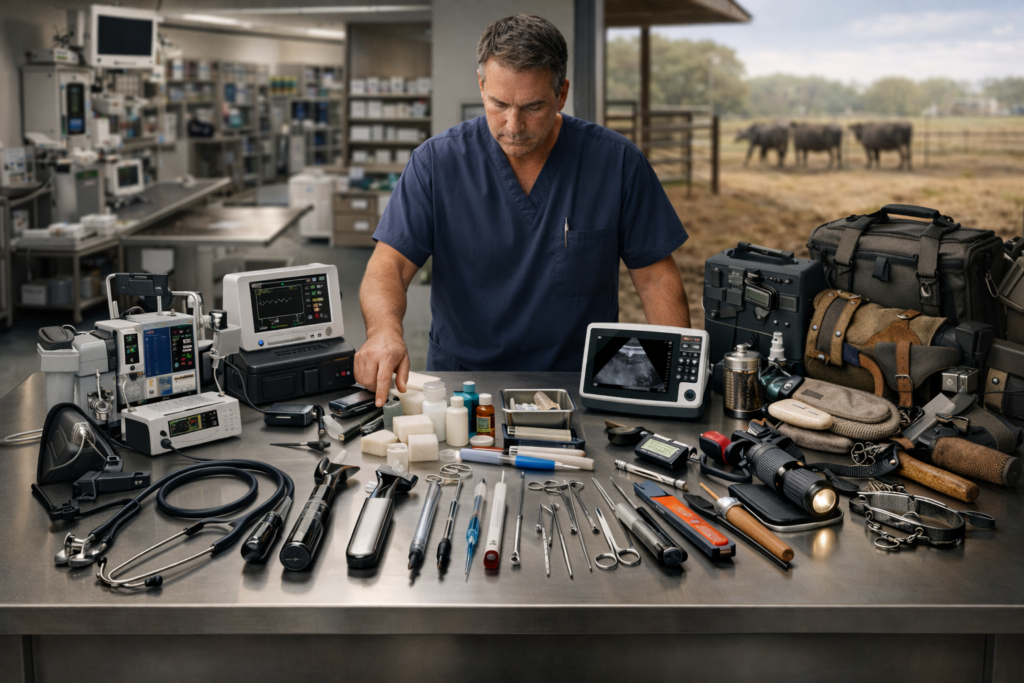
The Definitive Veterinary Tools & Equipment Guide: For Every Clinic, Farm, & Animal Care Need
 The landscape of animal care is diverse, with each setting requiring specialized tools and equipment.
The landscape of animal care is as diverse as the animals it serves, encompassing everything from bustling urban veterinary clinics and expansive rural farms to dedicated animal shelters and specialized mobile services. Across this spectrum, one constant remains paramount: the indispensable role of high-quality veterinary tools and equipment. These are not mere accessories; they are the very foundation upon which effective diagnosis, successful treatment, and compassionate animal care are built. For veterinarians, technicians, practice managers, and animal welfare professionals, selecting the right equipment is a critical decision that directly impacts patient outcomes, client satisfaction, operational efficiency, and the overall success of their endeavors.
This comprehensive guide serves as your definitive resource for navigating the vast world of veterinary tools and equipment. We will delve into the essential hardware and software that power modern animal healthcare, exploring the specific needs of various practice types, from the meticulous environment of an animal hospital to the rugged demands of large animal practice. We will also examine the specialized equipment required for diverse settings like animal shelters and mobile grooming services, and touch upon advanced therapeutic modalities that are redefining patient care. Furthermore, this guide will address the crucial operational aspects of running a seamless facility and offer strategic advice on making smart, long-term investments in your practice’s future. Whether you are establishing a new clinic, upgrading existing facilities, or seeking to enhance your service offerings, this guide is designed to equip you with the knowledge needed to make informed decisions that support the health and well-being of every animal you serve.
Why Quality Equipment Matters for Animal’s Health Care
 The quality of veterinary equipment directly impacts diagnostic accuracy, safety, and patient outcomes.
The commitment to providing excellent animal care hinges directly on the quality and appropriateness of the tools and equipment utilized. In the high-stakes environment of veterinary medicine, where accurate diagnoses and effective treatments can mean the difference between recovery and decline, subpar equipment poses significant risks. High-quality tools enhance diagnostic accuracy, allowing veterinarians to identify ailments with greater precision and speed. This is crucial for early detection and intervention, which often lead to better prognoses and less invasive treatment plans for the animal.
Furthermore, the safety of both the animal and the veterinary professional is intrinsically linked to equipment quality. Surgical instruments must be precise and reliable to minimize tissue damage and reduce the risk of complications. Anesthesia machines and monitoring devices are vital for ensuring patient stability during procedures, and their accuracy directly impacts their safety. Beyond the immediate medical benefits, quality equipment fosters client confidence. Clients observe the professionalism and advanced capabilities of a practice through the tools and technology it employs. This visual testament to a clinic’s commitment to high standards builds trust and enhances the overall client experience, which is a cornerstone of a thriving practice. The global animal medical device market, estimated to grow from USD 4.11 Billion in 2024 to USD 7.93 Billion by 2035, at a CAGR of 6.16%, underscores the significant investment and growth in this sector, reflecting its perceived value in improving animal health outcomes [Spherical Insights, 2024]. This broad market statistic for animal medical devices encompasses a wide range of veterinary tools and equipment, providing a macro-level view of the industry’s significant growth.
Navigating the Diverse World of Veterinary Care Needs
The spectrum of veterinary care is remarkably broad, necessitating a diverse array of equipment tailored to specific environments and patient populations. A small animal clinic focused on companion pets will have different primary equipment needs than a large animal practice serving agricultural communities, or an animal shelter dedicated to rescue and adoptions. Even within these categories, specialization plays a significant role. For instance, a practice offering advanced surgical services will require different instrumentation than one primarily focused on routine wellness checks.
Understanding these diverse needs is the first step in making informed equipment decisions. Key considerations include the types of animals treated (species, size, temperament), the range of services offered (from basic consultations and vaccinations to complex surgeries and rehabilitation), the physical environment (clinic, farm, mobile unit), and the operational scale. For example, a busy animal hospital requires robust systems to manage a high volume of appointments and diverse medical cases, while a farm veterinarian needs portable, durable equipment suited for on-site diagnostics and treatments. Recognizing that equipment choices must align with specific practice goals and the unique demands of the animals in their care is fundamental to building an effective and efficient veterinary operation that provides optimal animal welfare.
What This Definitive Guide Covers
This guide aims to provide a comprehensive, yet concise, overview of the essential veterinary tools and equipment required across various facets of animal care. We begin by detailing the foundational equipment indispensable for modern veterinary clinics, covering diagnostic powerhouses, surgical and anesthesia suites, examination and treatment room essentials, and pharmacy solutions.
Following this, we explore the specialized tools crucial for farm and large animal veterinary practice, including mobile diagnostics, restraint equipment, and herd health management systems. The guide then expands to address the unique equipment needs of diverse animal care settings, such as animal shelters, rescue organizations, mobile veterinary services, and professional grooming businesses. We will also briefly touch upon considerations for exotic and wildlife animal care.
Further sections delve into advanced and therapeutic modalities that elevate the standard of care, alongside a critical examination of operational efficiency, safety, and sanitation systems. Finally, we provide strategic guidance on making smart, long-term equipment investments, considering budgeting, financing, and the importance of prioritizing needs for sustained growth. Our objective is to equip you with a holistic understanding of the veterinary equipment landscape, enabling you to build or enhance a facility that excels in providing exceptional care for every animal.
Essential Equipment for Modern Veterinary Clinics
Modern veterinary clinics, particularly those serving companion animals, rely on a sophisticated array of tools and equipment to deliver comprehensive medical services. From initial diagnostics to complex surgical interventions and ongoing patient care, each piece of equipment plays a vital role in ensuring accurate assessment, effective treatment, and a positive experience for both the animal and its owners. Investing in high-quality, reliable equipment is not just about capability; it’s about ensuring the best possible outcomes for every patient that walks through the door.
A. Diagnostic Powerhouse: Seeing Beyond the Surface
Accurate diagnosis is the cornerstone of effective veterinary medicine. Diagnostic equipment allows veterinarians to peer beyond observable symptoms, uncovering underlying issues and developing targeted treatment plans. The investment in these tools directly correlates with improved patient care and operational efficiency.
Imaging Equipment:
- Digital Radiography (X-ray) Systems: Essential for visualizing internal structures, bone fractures, foreign bodies, and soft tissue abnormalities. Digital systems offer faster image acquisition, immediate viewing, and easier storage and sharing compared to older film-based technology. Many sources recommend that “very few practices still use processing tanks and film for their X-rays,” emphasizing the shift to digital [DVM360, 2023].
- Ultrasound Machines: Crucial for imaging soft tissues, organs, and fluid. Advanced models provide high-resolution imaging for abdominal, cardiac, and reproductive evaluations, aiding in the detection of tumors, organ disease, and pregnancy.
- Endoscopes: Allow for minimally invasive visualization of internal cavities such as the gastrointestinal tract, respiratory system, and ear canals. Flexible and rigid endoscopes are available for various applications.
Laboratory Equipment:
- In-House Hematology Analyzers: Provide rapid blood cell counts, aiding in the diagnosis of anemia, infection, and inflammatory conditions. Quick results allow for immediate treatment decisions.
- Clinical Chemistry Analyzers: Measure blood levels of key enzymes, electrolytes, and metabolites, crucial for assessing organ function (kidney, liver), diagnosing metabolic diseases (diabetes), and monitoring patient health.
- Urinalysis Analyzers: Automate the testing of urine for physical, chemical, and microscopic components, aiding in the diagnosis of urinary tract infections, kidney disease, and diabetes.
- Microscopes: Essential for examining blood smears, tissue samples, and infectious agents at a cellular level. High-quality microscopes with good magnification and illumination are indispensable.
- Electrocautery and Diathermy Units: Used to control bleeding during surgery or to excise tissue with precision.
Monitoring Equipment:
- ECG Monitors: Track heart rhythm and electrical activity, vital for assessing cardiovascular health, especially during anesthesia or for patients with known cardiac conditions.
- Pulse Oximeters: Measure blood oxygen saturation, a critical parameter for assessing respiratory function and patient stability during anesthesia or critical care.
- Blood Pressure Monitors: Essential for assessing cardiovascular health and managing hypertension or hypotension, particularly during anesthesia and in critical patients.
- Capnography: Measures carbon dioxide levels in exhaled breath, providing real-time information on ventilation and metabolic status, a key component of safe anesthesia.
- Thermometers: Digital thermometers provide rapid and accurate body temperature readings.
B. Surgical & Anesthesia Suites: Precision and Safety for Surgical Services
The operating room is where critical interventions occur, demanding meticulous precision, sterility, and unwavering patient safety. The global veterinary surgical instruments market, valued at USD 1.66 billion in 2024, reflects the significant and growing demand for specialized tools in this area [Grand View Research, 2024].
Surgical Instruments:
- Scalpels and Blades: A variety of sizes and types for precise tissue dissection.
- Forceps and Hemostats: Used for grasping tissue, controlling bleeding, and manipulating instruments.
- Surgical Scissors: Specialized scissors for cutting tissue, sutures, and other materials.
- Retractors: Used to hold incisions open, providing optimal visualization for the surgeon.
- Surgical Drills and Saws: For orthopedic procedures requiring bone cutting or manipulation.
- Suture Needles and Drivers: Essential for wound closure.
- Suction Units: To remove fluids from the surgical field, maintaining a clear view.
Anesthesia Equipment:
- Anesthesia Machines: Vaporize anesthetic gases accurately and deliver them to the patient, incorporating breathing circuits and scavenging systems.
- Anesthesia Monitors: As listed in diagnostics, these are critical for patient safety during procedures.
- Ventilators: Mechanical breathing support for patients who cannot breathe adequately on their own.
- Patient Warming Systems: Heating pads, circulating warm air blankets, and warmed IV fluids are crucial to prevent hypothermia, a common complication during anesthesia.
Sterilization Equipment:
- Autoclaves: High-pressure steam sterilizers are the gold standard for sterilizing surgical instruments and other heat-tolerant materials.
- Instrument Cleaning Solutions and Ultrasonic Cleaners: Essential for thorough pre-sterilization cleaning.
C. Examination & Treatment Room Must-Haves
These are the workhorses of daily veterinary practice, where initial assessments, minor procedures, and routine treatments take place. Efficiency and patient comfort are key here.
Examination Equipment:
- Veterinary Scales: Digital scales for accurate weight measurement of patients of all sizes.
- Stethoscopes: Essential for listening to heart and lung sounds. High-quality stethoscopes, like those from Littmann, are often favored for their acoustic performance.
- Ophthalmoscopes and Otoscopes: For examining the eyes and ears.
- Blood Pressure Cuffs and Monitors: As mentioned, vital for comprehensive patient assessment.
- Examination Tables: Adjustable height and durable surfaces are crucial for comfortable and safe patient handling. Hydraulic or electric tables reduce strain on staff.
Treatment and Patient Care:
- Fluid Pumps (Infusion Pumps): For precise administration of intravenous fluids and medications.
- Syringe Pumps: For accurate and controlled delivery of medications.
- Oxygen Concentrators/Suppliers: To provide supplemental oxygen to patients with respiratory distress.
- Nebulizers: For delivering respiratory medications directly into the airways.
- Kennels and Cages: Safe, secure, and appropriately sized enclosures for hospitalized patients, often with controlled ventilation and temperature.
- Dental Equipment:
- Dental Scaling and Polishing Units: For routine dental cleanings.
- Dental Extraction Instruments: Specialized tools for safe and efficient tooth removal.
- Dental X-ray Machine: Crucial for assessing tooth roots and underlying bone structure, as “up to 60% of the tooth structure lies below the gumline” [DVM360, 2023].
- Dental Drills and High-Speed Handpieces: For sectioning teeth or preparing bone during complex procedures.
D. Pharmacy & Secure Medication Storage Solutions
Accurate dispensing, secure storage, and proper inventory management of pharmaceuticals are critical for patient safety, legal compliance, and operational efficiency.
Medication Storage:
- Refrigerators and Freezers: Dedicated, temperature-controlled units for storing vaccines, biologics, and temperature-sensitive medications. Alarms are essential to ensure proper temperature maintenance.
- Secure Cabinets and Shelving: For organized and safe storage of controlled substances and other pharmaceuticals, often requiring lockable units to comply with regulations.
- Organizers and Dispensing Tools: Pill counters, crushers, and packaging systems to facilitate accurate medication preparation for clients.
Pharmacy Software:
- Integrated Pharmacy Modules: Often part of a Practice Information Management System (PIMS), these track inventory, manage prescriptions, flag drug interactions, and ensure proper record-keeping. The adoption of cloud-based PIMS is projected to reach an 84% rate by 2030, indicating a strong trend towards digital management solutions [DVM360, 2023].
E. Infrastructure & Support Systems for a Functional Clinic
Beyond direct medical equipment, the physical layout, utilities, and support systems form the backbone of a well-functioning veterinary clinic.
HVAC Systems: Climate control is crucial for patient comfort, staff well-being, and the proper storage of sensitive medications. Good ventilation is also key to controlling airborne pathogens. Water Supply and Waste Disposal: Reliable access to clean water is essential, as is a compliant system for medical waste disposal. Lighting: Adequate and appropriate lighting is necessary for examinations, surgical procedures, and general clinic operations. Communication Systems: Reliable phone lines, internet access, and internal communication tools are vital. Emergency Power: Backup generators are crucial for maintaining critical life support, refrigeration, and essential operations during power outages. Disinfection and Sanitation Stations: readily available hand sanitizers, disinfectant wipes, and proper disposal bins are paramount for infection control.
Specialized Tools for Farm & Large Animal Veterinary Practice
The practice of veterinary medicine on farms and with large animals presents unique challenges that demand equipment designed for durability, mobility, and handling animals that may be significantly larger and more powerful than companion pets. Safety for both the veterinarian and the animal is paramount.
A. Mobile & Field Diagnostic Equipment
Large animal veterinarians often operate away from the clinic, requiring portable and robust diagnostic tools that can be transported to farms.
Portable X-ray Units: Lightweight and battery-powered units allow for radiographic imaging on-site, crucial for diagnosing lameness, fractures, or internal injuries in horses, cattle, and other large animals. Portable Ultrasound Devices: Essential for reproductive work (pregnancy checks), examining abdominal organs, and assessing musculoskeletal injuries. These units need to be durable enough for field use. Stethoscopes: High-quality stethoscopes are still essential for auscultating heart and lung sounds, even in large animals. Thermometers: Long, durable digital thermometers are needed for rectal temperature readings. Blood Collection Supplies: Various sizes of needles, syringes, vacuum tubes, and tourniquets suitable for large animal venipuncture. Basic Laboratory Kits: Field kits for fecal analysis, basic blood chemistry, or infection screening can provide immediate insights.
B. Restraint & Handling Equipment for Safety and Animal Welfare
Safely restraining large animals is paramount to prevent injury to both the animal and the veterinarian.
Halters and Lead Ropes: Various types and sizes for different species, providing control during handling and examination. Twitch (Nose Twitch) and Lip Grips: Tools used to create a distraction or mild discomfort to calm agitated animals, particularly horses. Chutes and Headgates: Fixed or portable structures designed to safely confine and restrain cattle, sheep, or goats for examination, vaccination, or minor procedures. Casting Ropes and Hobbles: Used for safely immobilizing animals for prolonged procedures or treatments, particularly in horses. Muzzles: For managing fractious or aggressive animals. Floats (Dental Tools): For large animal dental care, especially in horses, to address sharp enamel points and other dental issues.
C. Reproductive & Obstetric Tools
The health of herds and flocks is heavily influenced by reproductive success, making specialized tools essential.
Artificial Insemination (AI) Equipment: Insemination rods, sheaths, and related supplies for cattle, horses, and other species. Pregnancy Detection Tools: Ultrasound probes (as mentioned) and palpation sleeves for manual examination. Calving/Lambing/Foaling Jacks and Chains: Mechanical aids to assist in difficult births. Episiotomy Kits: Instruments for widening the vulva if necessary during difficult parturitions. Dystocia Snares: For assisting in pulling fetuses during birth.
D. Herd Health & Management Tools
These tools support preventive medicine, disease surveillance, and overall herd productivity.
Ear Tagging and Marking Systems: For identification and record-keeping of individual animals within a herd. Vaccination Equipment: Multiple-dose syringes, needles of various gauges and lengths, and vaccine coolers for administering immunizations to groups of animals. Drenching Guns: For oral administration of dewormers or other liquid medications to livestock. Hoof Trimmers and Rasps: Specialized tools for maintaining healthy hooves in cattle and horses. Mastitis Detection Kits: For early detection of udder infections in dairy animals.
E. Veterinary Field Service Vehicle Setup
The veterinarian’s vehicle is an extension of the clinic. Equipping it effectively is key to efficient field practice.
Secure Storage Compartments: For safely storing instruments, medications, and diagnostic equipment, protecting them from damage and the elements. Refrigeration: A small, reliable refrigerator for vaccines and temperature-sensitive medications. Power Inverter: To provide AC power for running equipment like portable X-ray units or charging batteries. First-Aid Kit: Comprehensive supplies for both human and animal emergencies. Mobile Workstation: A fold-out table or integrated desk for paperwork and preparing medications. Communication Devices: Mobile phones, GPS, and potentially satellite phones for remote areas.
Equipment for Diverse Animal Care Needs: Beyond Traditional Clinics & Farms
The scope of animal care extends beyond traditional veterinary clinics and farms, encompassing the critical work of shelters, the specialized services of mobile practitioners, and the unique challenges of caring for exotic and wildlife animals. Each of these settings requires tailored equipment to ensure the well-being of the animals in their charge.
A. Animal Shelters & Rescue Organizations (e.g., Animal Care Center, Open-Admission Shelters)
Animal shelters and rescue organizations operate with the dual goals of providing immediate care and facilitating successful adoptions. Their equipment needs balance medical necessity with the demands of high-volume animal management and community engagement.
Basic Medical Supplies:
- Exam Tables and Kennels: Durable, easily disinfected surfaces and enclosures suitable for various species and sizes.
- Vaccination and Deworming Supplies: Efficient systems for mass prophylaxis.
- Microchip Scanners and Implanters: Essential for identification and reunification.
- Basic Surgical Kits: For spay/neuter procedures, often performed on-site to increase efficiency and reduce costs.
- Dental Care Tools: For routine oral health assessments and minor interventions.
- Wound Care Supplies: Bandages, antiseptics, and topical treatments for injuries.
- Infusion Pumps and Fluid Bags: For treating dehydrated or critically ill animals.
- Oxygen Cages: For respiratory support of neonates or sick animals.
Behavioral and Enrichment Tools:
- Enrichment Toys: To provide mental stimulation and reduce stress in housed animals.
- Leashes, Collars, and Harnesses: For safe handling and walking.
- Grooming Tools: Brushes, combs, and bathing supplies to improve animal presentation and health, aiding in successful adoptions.
- Desensitization and Counter-Conditioning Tools: For rehabilitating animals with behavioral challenges.
Adoption Facilitation:
- Good Lighting and Clean Environments: While not equipment in the traditional sense, well-maintained spaces and adequate lighting enhance the appeal of animals during adoption events.
- Photography Equipment: Good lighting and backdrops can help capture appealing photos for adoption profiles, increasing visibility.
Infrastructure:
- Industrial Washers and Dryers: For managing bedding and cleaning supplies in high-volume settings.
- Secure Storage: For food, medications, and supplies.
- Waste Management Systems: Efficient and hygienic disposal solutions.
B. Mobile Veterinary Services & Professional Grooming
Mobile services prioritize portability, efficiency, and the ability to serve clients in their own environment, whether for veterinary care or professional grooming.
For Mobile Veterinary Services:
- Compact and Portable Diagnostic Equipment: Handheld ultrasound devices, portable digital X-ray units, and compact blood analyzers.
- Field-Ready Surgical Kits: Scalpels, sutures, and basic surgical instruments packed for rapid deployment.
- Medication and Vaccine Coolers: Insulated carriers to maintain temperature integrity.
- Portable Anesthesia Machines and Monitors: Compact units for administering anesthesia safely in a mobile setting.
- Durable Patient Carriers and Restraints: Lightweight, easy-to-clean options for transport.
- Efficient Plumbing and Waste Disposal: Integrated systems within the mobile unit for hygiene.
- Vehicle Setup: As detailed in the large animal section, specialized vehicle conversions are key. The global veterinary telemedicine market, valued at USD 620.3 million in 2024, highlights the growing demand for remote and accessible veterinary services, a trend mobile units can capitalize on [Global Market Insights, 2024].
For Professional Grooming:
- Grooming Tubs: Stainless steel or specialized tubs with ramps and adjustable heights.
- Grooming Tables: Hydraulic or electric tables that adjust height for comfort and safety.
- High-Velocity Dryers: Powerful dryers to efficiently remove water and fluff coats.
- Clippers and Trimmers: Various sizes and speeds for different coat types and styling needs.
- Shears and Scissors: A range of straight, curved, thinning, and detailer shears.
- Brushes and Combs: A selection for detangling, deshedding, and finishing.
- Nail Grinders and Clippers: For safe and effective nail maintenance.
- Sanitation and Disinfection Supplies: Crucial for preventing the spread of parasites and infections between animals.
C. Exotic & Wildlife Animal Care Considerations (Brief)
Caring for exotic and wildlife animals often requires specialized knowledge and adapted equipment due to unique anatomies, physiological needs, and behaviors.
- Specialized Restraint Tools: Nets, pole syringes for tranquilization, specialized catchpoles, and padded carriers.
- Appropriate Housing and Environmental Control: Terrariums, aviaries, and enclosures that mimic natural habitats, with precise temperature, humidity, and lighting controls.
- Specific Diagnostic Equipment: Smaller endoscopes, specialized imaging equipment for delicate structures, and reference laboratory access for unusual pathogens.
- Nutritional Support Equipment: Specialized feeding tubes, syringes, and diets.
- Enclosure Cleaning and Disinfection: Equipment for maintaining sterile or near-sterile environments.
Advanced & Therapeutic Modalities: Elevating Outstanding Medicine and Patient Care
Beyond routine diagnostics and treatments, veterinary medicine is increasingly embracing advanced technologies and therapeutic modalities. These innovations offer enhanced diagnostic capabilities, improved treatment outcomes, and novel approaches to rehabilitation and pain management, allowing veterinary professionals to provide a higher caliber of care.
A. High-End Diagnostic Imaging
While digital radiography and ultrasound are standard, advanced imaging technologies offer unparalleled detail and diagnostic power.
Computed Tomography (CT) Scanners: Provide detailed cross-sectional images of the body, invaluable for diagnosing complex bone pathologies, tumors, neurological conditions, and chest abnormalities. Magnetic Resonance Imaging (MRI) Scanners: Offer exceptional soft tissue contrast, making them the gold standard for imaging the brain, spinal cord, and joints. Fluoroscopy: Real-time X-ray imaging used to visualize dynamic processes, such as swallowing, breathing, or the movement of contrast agents through the gastrointestinal or urinary tracts. It’s also crucial for guiding interventional procedures.
B. Rehabilitation & Pain Management
Therapeutic modalities are transforming how veterinarians manage chronic pain, recover from injuries, and improve the quality of life for animals.
Therapeutic Laser Therapy (Cold Laser): Uses light energy to reduce inflammation, promote tissue healing, and alleviate pain. Acupuncture and Electroacupuncture: Traditional Chinese medicine techniques adapted for veterinary use to manage pain and improve function. Physical Therapy Equipment: Treadmills (underwater or land-based), balance boards, ramps, and exercise balls to aid in recovery from orthopedic surgery, neurological conditions, or injury. Therapeutic Ultrasound: Used for deep tissue heating and promoting healing. Extracorporeal Shockwave Therapy (ESWT): Delivers acoustic waves to stimulate healing and reduce pain in conditions like lameness or certain soft tissue injuries. Pharmaceuticals and Nutraceuticals: Advanced pain management protocols often involve a combination of prescription medications, nerve blocks, and specialized supplements.
C. Specialty Surgical Equipment
Beyond standard surgical instruments, specialized equipment allows for minimally invasive procedures and the treatment of complex conditions.
Laparoscopic and Endoscopic Surgical Instruments: Tools for performing minimally invasive surgeries through small incisions, reducing patient trauma and recovery time. Intramedullary (IM) Pins and Interlocking Nails: For stabilizing complex bone fractures, particularly in larger animals. Plates and Screws: For intricate fracture repair and orthopedic reconstructions. Cataract Surgery Equipment (Phacoemulsification): Highly specialized equipment for removing clouded lenses and implanting artificial ones. Orthopedic Surgical Drills and Reamers: Precision instruments for bone preparation during orthopedic procedures.
Operational Efficiency & Safety: Running a Seamless Veterinary Facility
The effectiveness of any veterinary practice is not solely determined by its medical equipment but also by the systems and infrastructure that support its daily operations, staff safety, and sanitation protocols.
A. Practice Management & Communication Technology
Efficient management systems streamline workflows, improve client communication, and enhance the overall client experience. The increasing adoption of cloud-based Practice Information Management Systems (PIMS), projected to reach an 84% adoption rate by 2030, highlights the industry’s move towards digital integration [DVM360, 2023].
Practice Information Management Systems (PIMS): Comprehensive software that manages patient records, scheduling, billing, inventory, and client communications. Cloud-based solutions offer accessibility and scalability. Digital Appointment Scheduling: Online booking systems and automated reminders improve efficiency and client convenience, reducing no-shows. Client Communication Platforms: Secure messaging, email, and telemedicine tools (Global Market Insights, 2024) facilitate seamless interaction between the clinic and clients. Digital Imaging Archiving and Viewing (PACS): Systems for storing, retrieving, and sharing digital radiographs and other imaging files. Telemedicine and Remote Monitoring Tools: Increasingly important for follow-up care, triage, and reaching remote clients. The veterinary telemedicine market is experiencing significant growth, expected to reach USD 3.2 billion by 2034 at a CAGR of 17.9% [Global Market Insights, 2024]. Artificial Intelligence (AI) Tools: While nascent, AI is beginning to be integrated into veterinary practice for tasks like image analysis, diagnostic assistance, and administrative support. As of February 2024, 5% of surveyed veterinary professionals use AI tools daily or weekly for professional tasks [LifeLearn Inc., 2025].
B. Safety, Sanitation, & Waste Management
Maintaining a clean, safe, and compliant facility is non-negotiable in veterinary practice.
Disinfection and Sterilization Equipment: Autoclaves, ultrasonic cleaners, and a range of veterinary-grade disinfectants and sanitizers are critical for infection control. Personal Protective Equipment (PPE): Gloves, masks, gowns, eye protection, and footwear to protect staff from biological hazards and chemicals. Sharps Disposal Containers: Secure containers for the safe disposal of needles, scalpels, and other sharps. Medical Waste Disposal Systems: Compliant bins and services for the proper handling and disposal of biohazardous and pharmaceutical waste. Emergency Equipment: Eyewash stations, spill kits, and first-aid supplies. Fire Safety Equipment: Fire extinguishers and emergency exit plans. Ergonomic Equipment: Adjustable height tables, lifts, and supportive seating to prevent musculoskeletal injuries among staff. Air Filtration Systems: To improve air quality and reduce the transmission of airborne pathogens.
VI. Making Smart Equipment Investments: Longevity and Growth in Veterinary Care
Investing in veterinary tools and equipment is a significant financial decision that profoundly impacts a practice’s capabilities, efficiency, and long-term profitability. Making these investments strategically ensures that resources are allocated effectively, maximizing value and supporting the practice’s growth objectives. The rising cost of veterinary care, which increased by 6.4% from June 2023 to June 2024, underscores the importance of prudent spending on equipment that delivers demonstrable value [Dogster, 2026].
A. Budgeting, Financing, & Prioritization
The process of acquiring new equipment requires careful financial planning and strategic decision-making.
Needs Assessment and Prioritization:
- Identify Core Needs: Start by assessing current equipment gaps, areas for improvement, and services you wish to offer.
- Impact on Patient Care: Prioritize equipment that will directly improve diagnostic accuracy, treatment efficacy, or patient safety.
- Return on Investment (ROI): Evaluate how new equipment will improve efficiency, increase revenue streams, or reduce operational costs. For example, investing in digital radiography can reduce processing time and improve diagnostic turnaround.
- Staff Input: Solicit feedback from veterinarians and technicians regarding their equipment needs and preferences; they are the end-users.
Budgeting and Financial Planning:
- Capital Expenditure Budget: Allocate specific funds for equipment purchases over a defined period (e.g., annual or quarterly budget).
- Operating Lease vs. Purchase: Weigh the pros and cons. Purchasing offers ownership but requires upfront capital. Leasing can provide access to the latest technology with lower initial costs but doesn’t build equity.
- Financing Options: Explore loans from financial institutions, veterinary-specific lenders, or manufacturer financing programs.
- Used Equipment Market: Consider purchasing well-maintained used equipment for essential but less frequently used items, but always with caution and thorough inspection.
Vendor Relationships and Maintenance:
- Reputable Suppliers: Choose vendors known for quality products, reliable service, and good customer support.
- Service Contracts and Warranties: Understand the terms and consider service contracts for complex or critical equipment to ensure uptime and minimize repair costs.
- Training: Ensure adequate training for staff on new equipment to maximize its utilization and prevent misuse.
- Maintenance Schedule: Implement a proactive maintenance schedule to prolong equipment lifespan and prevent unexpected failures. North America, holding over 38.4% of the global veterinary equipment market share in 2024, demonstrates significant investment driven by these strategic considerations [Allied Market Research, 2024].
Final Thoughts
The veterinary tools and equipment landscape is vast and continuously evolving, directly shaping the quality of animal care delivered across every setting. From the advanced diagnostic imaging that empowers precise diagnosis in a modern clinic, to the rugged, mobile equipment essential for large animal practice, and the specialized tools supporting animal shelters and rescue operations, the right equipment is fundamental to success. Investing in high-quality, appropriate technology not only enhances patient outcomes and safety but also builds client trust, improves operational efficiency, and supports the professional experience of veterinarians and their teams.
This guide has underscored the interconnectedness of equipment choices with the comprehensive care journey—from initial APPOINTMENTs and diagnostics to surgical intervention, rehabilitation, and community engagement, including facilitating successful adoptions. We’ve explored how technology, including the burgeoning fields of telemedicine and AI, is reshaping veterinary practice, and emphasized the critical importance of safety, sanitation, and robust operational infrastructure.
As you consider your own practice’s needs, remember that the most effective investments are those that align with your specific services, patient population, and long-term vision. Prioritize understanding your core requirements, carefully managing budgets, and cultivating strong relationships with reliable suppliers. By strategically selecting, maintaining, and integrating the right tools, you are not just acquiring equipment; you are investing in the health, well-being, and future of the animals you serve and building a stronger, more resilient veterinary practice ready to meet the challenges and opportunities ahead, potentially even contributing to the education of future veterinarians and professionals.