
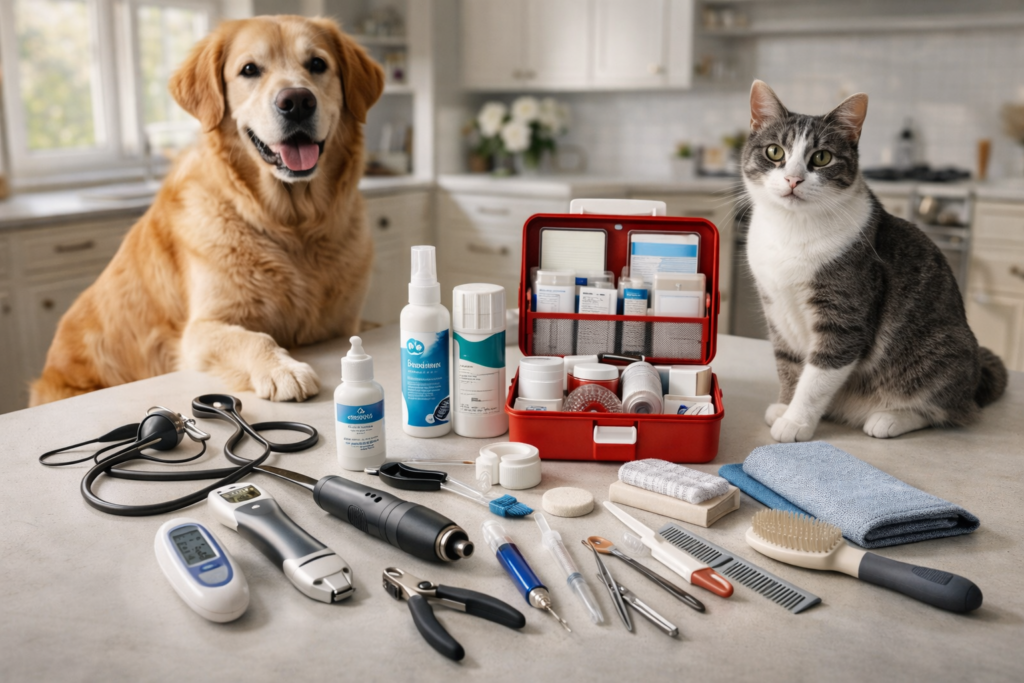
Empowering Pet Owners for Proactive Care
As devoted companions, our dogs and cats enrich our lives immeasurably, becoming cherished members of the family. With millions of these beloved animals sharing our homes, ensuring their health and well-being is a top priority for countless pet owners. Historically, pet care often involved a reactive approach, waiting for obvious signs of illness before seeking veterinary intervention. However, a paradigm shift is underway. Modern pet ownership emphasizes proactive health management, moving beyond mere symptom treatment to a focus on prevention, early detection, and consistent maintenance. This evolution is fueled by a deeper understanding of our pets’ needs and the invaluable role owners play in their daily care.
This comprehensive guide aims to empower you with the knowledge and understanding of essential veterinary tools that can be safely and effectively used at home. These are not replacements for professional veterinary care but rather crucial aids that allow for enhanced observation, preventative measures, and more informed communication with your veterinarian. By building a foundational toolkit and understanding how to use it, you can significantly contribute to your pet’s lifelong health, happiness, and vitality. We will explore the tools that facilitate daily observation, preventative care, and preparedness for minor emergencies, ultimately fostering a stronger bond and a more resilient companion.
The Unbreakable Bond: Our Pets as Family Members
The bond between humans and their pets is profound and multifaceted. For millions of households, dogs and cats, including the domestic cat, are not merely animals but integral family members. This deep connection elevates the importance of their health and well-being. Over thousands of years of cohabitation, pets have evolved from working animals to cherished companions, offering emotional support, reducing stress, and fostering a sense of connection. This evolving relationship means owners are increasingly invested in providing the best possible care, mirroring the attention and resources devoted to human family members. The recognition of animals as sentient beings deserving of comprehensive care has driven a demand for better preventative strategies and at-home health monitoring tools.
Shifting from Reactive to Proactive Pet Health
 The shift from a reactive to a proactive approach involves moving from treating illness as it appears to a continuous cycle of monitoring and prevention.
The traditional approach to pet health often involved waiting until an animal exhibited clear signs of distress or illness before consulting a veterinarian. This “reactive” model, while sometimes necessary, can lead to more severe conditions, prolonged suffering, and potentially higher treatment costs. The advent of accessible veterinary knowledge, improved diagnostic capabilities, and a growing awareness among owners has spurred a shift towards “proactive” pet health. This means actively engaging in preventative measures, regular monitoring, and early detection of potential issues. This proactive stance not only improves a pet’s quality of life but also strengthens the owner’s role in their companion’s healthcare journey. The goal is to maintain wellness and catch subtle changes early, making interventions less invasive and more effective, thereby preserving the health of our beloved dogs and cats for many more days.
Building Your At-Home Pet Health Toolkit: The Foundation of Well-being
Establishing a comprehensive at-home toolkit is a cornerstone of proactive pet health management. This collection of instruments and supplies empowers owners to observe their pets more closely, perform routine preventative care, and respond effectively to minor issues. It’s about equipping yourself with the means to be an informed advocate for your pet’s health, working in concert with your veterinarian.
Why an Owner-Centric Toolkit Matters
An owner-centric toolkit is vital because it decentralizes health monitoring and preventative care from the veterinary clinic to the home environment. This approach offers several key advantages:
- Early Detection: Regular use of specific tools can help identify subtle changes in your pet’s condition that might otherwise go unnoticed until they become more serious. For instance, consistently monitoring weight can highlight early signs of metabolic issues or dietary imbalances in both dogs and cats.
- Enhanced Veterinary Communication: When you can provide your veterinarian with objective data – such as temperature readings, weight fluctuations, or observations made with a magnifying glass – your discussions become more focused and productive. This data helps veterinarians make more accurate diagnoses and tailor treatment plans.
- Preventative Care: Many tools directly contribute to preventing common health problems. Regular dental care, appropriate nail trimming, and ear cleaning can significantly reduce the incidence of painful and costly conditions.
- Owner Empowerment: Having the right tools fosters a sense of confidence and competence in pet owners, enabling them to actively participate in their pet’s health maintenance. It transforms the owner from a passive recipient of care to an active partner.
- Cost-Effectiveness: Addressing minor issues early through preventative care and home monitoring can often be more cost-effective than treating advanced diseases. Investing in a few key tools can save significant veterinary expenses in the long run, especially considering the total pet industry expenditures in the U.S. reached $152 billion in 2024.
Key Principles for Selecting Your Tools
When assembling your pet health toolkit, consider several principles to ensure you acquire items that are appropriate, effective, and safe for your specific animals:
- Species-Specific Needs: Tools designed for dogs may not be suitable for cats, and vice versa. For example, different nail clippers or ear cleaning solutions are often recommended for each species due to anatomical and behavioral differences. Always opt for pet-specific products.
- Breed and Size Considerations: Breeds within dogs and cats vary significantly in size, coat type, and temperament. A large dog’s needs will differ from a small breed or a kitten. Ensure tools are appropriately sized and designed for your pet’s characteristics.
- Age and Life Stage: The health needs of kittens and puppies differ from those of senior pets. For example, older pets may require specialized grooming tools for thinning fur or more frequent weight monitoring.
- Temperament and Training: A highly anxious pet may require different approaches to nail trimming or medication administration than a calm and cooperative one. Tools that facilitate positive reinforcement and minimize stress are invaluable.
- Veterinarian Recommendations: Consult your veterinarian for guidance on essential tools and specific product recommendations. They can advise on the best options based on your pet’s individual health profile and common issues seen in your region.
- Quality and Safety: Invest in durable, high-quality tools made from safe, non-toxic materials. Cheaply made instruments can break, injure your pet, or be ineffective.
Essential Tools for Daily Observation & Early Detection
Consistent observation is the first line of defense in maintaining your pet’s health. These tools enhance your ability to notice subtle changes that might indicate an underlying issue, allowing for timely intervention.
Digital Pet Thermometer: Monitoring Core Body Temperature
A digital pet thermometer is a critical tool for assessing your pet’s overall health. A normal body temperature for dogs and cats typically ranges between 100.5°F and 102.5°F (38°C to 39.2°C), though this can vary slightly. Variations outside this range, especially a sustained fever or hypothermia, can be indicative of infection, inflammation, or other serious conditions.
- How to Use: Rectal thermometers are generally considered the most accurate for pets. Ensure the thermometer is clean and lubricated with a water-based lubricant. Gently insert the tip about an inch into the rectum and hold it in place until it beeps. Digital thermometers provide readings within seconds. Alternatively, some ear thermometers are designed for pets, but accuracy can sometimes be compromised by ear wax or debris.
- Why it Matters: Fever can signal an infection, while low body temperature can indicate shock or exposure to extreme cold. Knowing your pet’s baseline temperature helps you recognize deviations quickly. This is especially important for young kittens and puppies who are more vulnerable.
Pet Scale: Tracking Healthy Weight & Dietary Needs
Maintaining a healthy weight is fundamental to your pet’s well-being. Obesity is a growing concern in pets, contributing to numerous health problems like arthritis, diabetes, and heart disease. Conversely, significant weight loss can indicate underlying illness. A pet scale allows for precise tracking of your companion’s weight, which is crucial for monitoring their health status and adjusting their diet accordingly. In 2024, 35% of dog owners and 33% of cat owners categorized their pets as overweight or having obesity, highlighting the importance of weight management.
- How to Use: Place the scale on a flat, stable surface. Weigh yourself first and note your weight. Then, pick up your pet and step back onto the scale, noting the combined weight. Subtract your weight from the combined weight to get your pet’s weight. For smaller pets, you can place them directly on the scale. For larger dogs, a sturdy platform scale or a calibrated human scale can be used.
- Why it Matters: Regular weigh-ins allow you to detect gradual weight gain or loss, prompting necessary dietary adjustments or veterinary consultations. This is vital for managing chronic conditions and ensuring optimal nutrition for all species, including comparing the needs of dogs, cats, and even rodents where precise weight is critical for medication dosing.
Magnifying Glass & Good Light: Detailed Skin, Fur, and Eye Checks
A simple magnifying glass paired with a good light source is an invaluable tool for detailed physical examinations. This allows you to scrutinize your pet’s skin, fur, eyes, and ears for subtle abnormalities that might be missed with the naked eye.
- How to Use: Gently part your pet’s fur to examine the skin for redness, rashes, parasites (like fleas or ticks), unusual lumps, or dry patches. Pay close attention to areas prone to irritation. For eyes, use the magnifying glass to check for redness, discharge, cloudiness, or injuries. A bright, focused light will illuminate these areas for clearer inspection.
- Why it Matters: This close examination can help in the early detection of skin infections, allergies, parasites, or injuries. For instance, identifying a tick early is crucial for its prompt and safe removal. The leading health concern for dogs, atopic or allergic dermatitis, leads to numerous claims annually, underscoring the need for diligent skin observation that Nationwide members saw in 2023.
Pet-Specific Grooming Tools: Beyond Aesthetics
Grooming tools are not just for keeping your pet looking presentable; they are essential for maintaining health and hygiene. Regular grooming provides an opportunity to bond with your pet while also inspecting their coat, skin, and overall physical condition.
- Brushes and Combs: Different coat types require different tools. Short-haired pets may benefit from slicker brushes or grooming mitts, while long-haired breeds might need pin brushes, combs, and de-shedding tools. Regular brushing removes loose hair, prevents mats, distributes natural oils, and allows you to spot skin irritations or parasites.
- Deshedding Tools: For pets that shed heavily, specialized tools can significantly reduce the amount of loose fur in your home and prevent painful mats from forming.
- Why it Matters: Mats can pull on the skin, causing discomfort and leading to skin infections. Regular grooming also stimulates blood circulation and allows you to check for any lumps, bumps, or skin changes. For kittens and young dogs, early introduction to grooming establishes positive associations with handling.
Preventative Care & Hygiene Essentials for Home Use
Preventative care focuses on maintaining hygiene and averting common health issues before they arise. These tools facilitate routines that are critical for your pet’s comfort and long-term health.
Specialized Nail Clippers or Grinders: Preventing Overgrowth & Discomfort
Overgrown nails can cause a multitude of problems for dogs and cats. They can alter gait, leading to skeletal issues, become painful, snag and tear, or even grow into the paw pad, causing infection.
- Clippers: Guillotine-style or scissor-style clippers are common. It’s crucial to select a size appropriate for your pet and to use a sharp blade to make clean cuts.
- Grinders (Dremel-style tools): These tools file down the nail gradually. They can be a good option for pets who are anxious about the clipping sound or for owners who are nervous about cutting too much.
- How to Use: Accustom your pet to having their paws handled. Identify the “quick” – the blood vessel and nerve within the nail. For light-colored nails, you can see it as a pinkish area. For dark nails, trim small amounts at a time, looking for a small black dot to appear in the center, indicating you are nearing the quick. Always have styptic powder on hand to stop bleeding if you accidentally cut the quick.
- Why it Matters: Properly maintained nails prevent discomfort, improve mobility, and reduce the risk of injury and infection. This is a vital part of daily or weekly grooming routines.
Ear Cleaning Solutions & Applicators: Maintaining Aural Health
The ear canals of dogs and cats can trap moisture, debris, and wax, creating an environment conducive to bacterial and yeast infections. Regular cleaning helps prevent these issues.
- Solutions: Veterinarian-approved ear cleaning solutions are designed to break down wax and debris while being gentle on the sensitive ear canal. Avoid using water or alcohol, which can cause irritation.
- Applicators: Cotton balls or gauze pads are ideal for gently wiping the outer ear and visible parts of the canal. Avoid using cotton swabs (Q-tips) deep inside the ear canal, as they can push debris further in or damage the eardrum.
- How to Use: Apply a generous amount of solution into the ear canal. Gently massage the base of the ear for about 20-30 seconds to help the solution work its way down. Allow your pet to shake their head, then wipe away any loosened debris and excess solution from the outer ear with a cotton ball or gauze.
- Why it Matters: Maintaining clean ears helps prevent painful infections, reduces the need for frequent veterinary visits for ear issues, and contributes to your pet’s overall comfort. This is particularly important for dogs with floppy ears, who are more prone to ear problems.
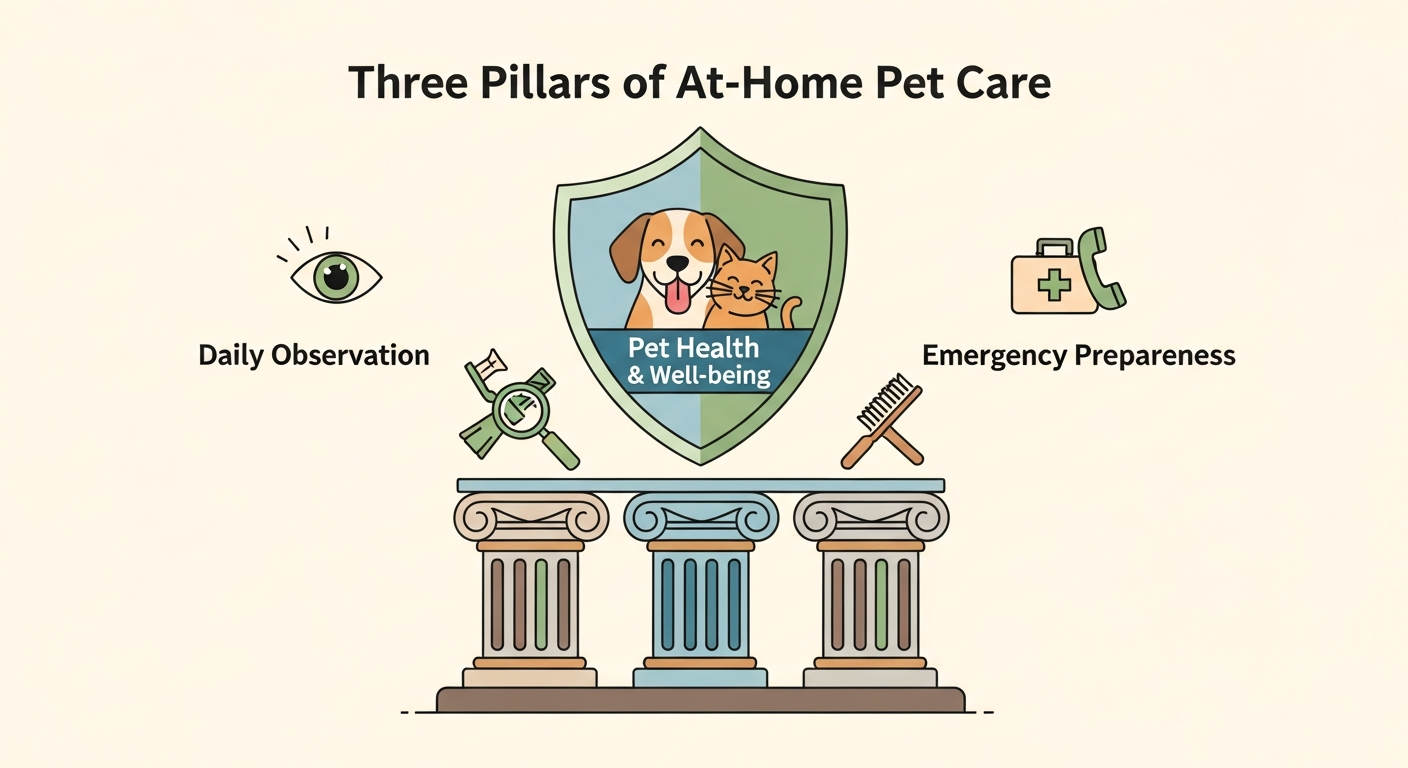 Proactive pet health is built on three key pillars: consistent observation, routine preventative care, and being prepared for minor emergencies.
Dental Care Tools: Brushes, Pastes, & Finger Brushes for Oral Health
Dental disease is incredibly common in pets, affecting an estimated 73% of dogs and 64% of cats seen at Banfield Pet Hospital in 2023. Poor oral hygiene can lead to gum disease, tooth loss, and can even affect systemic health. Daily or frequent brushing is the most effective way to prevent this.
- Pet-Specific Toothbrushes: These come in various designs, including multi-headed brushes, angled brushes, and those that fit over a finger.
- Pet-Specific Toothpaste: NEVER use human toothpaste, as it often contains fluoride and xylitol, which are toxic to animals. Pet toothpastes are flavored (e.g., poultry, beef) to make brushing more appealing.
- Finger Brushes: Soft rubber or silicone brushes that fit over your finger can be a good starting point for pets unaccustomed to brushing.
- How to Use: Introduce brushing gradually, allowing your pet to taste the toothpaste first. Then, gently lift their lips and brush the outer surfaces of their teeth in a circular motion. Focus on the gum line.
- Why it Matters: Regular dental care prevents the buildup of plaque and tartar, reduces bad breath, and averts painful dental conditions, contributing to a healthier mouth and overall well-being. This is crucial for all species, including dogs and cats.
Medication Administration Tools: Pill Givers & Syringes (Needle-less)
Administering medications, whether routine or for acute illness, can be challenging. Having the right tools can make the process safer, more efficient, and less stressful for both you and your pet.
- Pill Givers (Pill Poppers/Pill Dispensers): These tools allow you to deposit a pill deep into your pet’s throat without having to place your fingers in their mouth, reducing the risk of being bitten and ensuring the pill is swallowed.
- Needle-less Syringes: These are essential for administering liquid medications, dewormers, or fluid supplements. They allow for accurate dosing and controlled delivery.
- How to Use: For pill givers, load the pill and gently insert the applicator into the pet’s mouth, pushing the plunger to dispense. For syringes, draw up the prescribed medication and administer slowly into the side of your pet’s mouth, allowing them to swallow.
- Why it Matters: Proper medication administration ensures your pet receives the full prescribed dose, leading to effective treatment. It also minimizes stress and potential injury during the process.
Assembling Your Pet First Aid Kit: Preparedness for Minor Emergencies
While preventative care is paramount, minor accidents and injuries can happen. Having a well-stocked pet first aid kit ensures you can respond quickly and appropriately in such situations. The IFAW suggests that disaster preparedness includes a pet kit with essentials, highlighting the importance of being ready for unforeseen events.
Sterile Wound Care Supplies: Bandages, Antiseptic Wipes, & Gauze
These are essential for cleaning and protecting minor wounds.
- Gauze Pads: For cleaning wounds and applying pressure to stop minor bleeding.
- Adhesive Bandages (Pet-specific or flexible wrap): To cover wounds and keep them clean. Avoid using human adhesive bandages directly on pet fur, as they can be difficult to remove and irritating. Rolled gauze and self-adhering bandages are often best.
- Non-stick Pads: For more sensitive wounds to prevent sticking.
- Why it Matters: Keeping wounds clean and protected prevents infection and promotes healing. Prompt care for minor abrasions, cuts, or scrapes can prevent them from escalating into more serious issues. This is relevant whether a dog gets a small cut while exploring or a cat has a minor injury from a tussle.
Pet-Safe Antiseptics & Saline Solution: For Cleaning & Flushing
Proper cleaning is the first step in treating any wound.
- Pet-Safe Antiseptic Wipes or Solution: Look for products like chlorhexidine or povidone-iodine (diluted appropriately for pets). NEVER use rubbing alcohol or hydrogen peroxide on open wounds, as they can damage tissue and delay healing.
- Sterile Saline Solution: Ideal for flushing wounds to remove debris and contaminants without irritation.
- Why it Matters: Cleaning wounds effectively removes bacteria and foreign material, significantly reducing the risk of infection. This is crucial for preventing complications, especially in outdoor animals who may encounter dirt or debris.
Tweezers & Tick Removers: Safe Extraction of Foreign Objects & Parasites
Small, sharp objects or external parasites can become lodged in your pet’s skin or coat.
- Tweezers: Fine-tipped tweezers are useful for removing splinters or small debris. Ensure they are sterilized before use.
- Tick Removers: Specialized tools like tick hooks or loops are designed to safely grip and remove ticks without squeezing their body, which can transmit diseases.
- Why it Matters: Prompt and safe removal of foreign objects and parasites prevents further injury, infection, and the transmission of tick-borne illnesses. This is critical for dogs and cats that spend time outdoors, potentially encountering prey or parasites. Proper removal is key to disease control.
Emergency Contact Information & Pet Medical Records
While not a physical tool for immediate treatment, this information is vital for effective emergency response.
- Contact List: Keep a readily accessible list of your veterinarian’s phone number, an emergency veterinary clinic’s number, and your preferred emergency contact.
- Medical Records: A copy of your pet’s vaccination history, any ongoing medical conditions, allergies, and current medications is crucial for emergency veterinary staff.
- Why it Matters: In a stressful emergency situation, having this information organized and at hand can save precious time and ensure veterinarians have the necessary details to provide optimal care. This is particularly important in situations where your pet might need care while you are unable to be present.
Advanced Monitoring & Understanding Your Pet’s Body Signals (With Vet Guidance)
Beyond basic tools, some advanced monitoring devices and techniques can offer deeper insights into your pet’s health. It is crucial to emphasize that these tools are primarily for educational use and observation, and any interpretation or diagnosis must be made by a qualified veterinarian. The global veterinary imaging market, for instance, is projected to grow significantly, reaching $3.86 billion by 2034, indicating a rise in sophisticated diagnostic approaches.
Pet-Specific Stethoscope: Listening to Heart & Lungs (Educational Use)
A pet-specific stethoscope, designed for smaller chests and different frequency ranges, can be used for educational purposes. It allows owners to listen to their pet’s heart and lung sounds.
- How to Use: With your veterinarian’s guidance, learn what normal heart and lung sounds are for your specific species (e.g., dogs, cats). You can practice listening during calm moments.
- Why it Matters (Educational Context): Understanding normal physiological sounds can help you become more attuned to subtle changes. If your vet has diagnosed a heart murmur or respiratory condition, using a stethoscope can help you appreciate the sounds your vet is hearing and better understand the progression of the condition as communicated by your vet. However, this is not a diagnostic tool for owners and should not be used for self-diagnosis.
Digital Pet Health Trackers & Apps: Beyond Guesswork
Technology has entered the realm of pet health, with various digital trackers and apps designed to monitor activity levels, sleep patterns, and even certain physiological markers.
- Activity Trackers: These collars or tags can record steps taken, distance covered, and active minutes, helping ensure your pet is getting adequate exercise.
- Smart Feeders: Some feeders dispense precise portions of food on a schedule, aiding in weight management and dietary control.
- Health Apps: These can help you log veterinary appointments, vaccinations, medication schedules, and track symptoms, creating a digital health diary for your pet.
- Why it Matters: These tools can provide valuable data over time, helping you and your vet identify trends related to activity, diet, and overall well-being. They can assist in managing chronic conditions and ensuring consistent adherence to care plans, moving beyond anecdotal observation to data-driven insights.
When to Consult the Veterinarian: Using Your Tools as an Early Warning System
The ultimate purpose of an at-home toolkit is to empower you to recognize when your pet requires professional veterinary attention. Your tools transform you into a more effective observer, turning everyday insights into a valuable early warning system.
Interpreting Your Findings: Knowing When “Normal” Becomes “Concerning”
Understanding your pet’s baseline and recognizing deviations is key.
- Temperature: A consistent temperature above 103°F (39.4°C) or below 99°F (37.2°C) warrants a veterinary call.
- Weight: A sudden loss or gain of more than 10% of body weight, or gradual changes that persist over days or weeks, should be discussed with your vet. Obesity rates underscore the need for constant vigilance.
- Behavioral Changes: Lethargy, decreased appetite, vomiting, diarrhea, changes in urination or defecation, limping, or unusual vocalization are all reasons to seek veterinary advice.
- Physical Signs: Persistent coughing, difficulty breathing, discharge from eyes or nose, skin lesions, or lumps that grow rapidly should be evaluated.
- Why it Matters: As client visits to veterinary practices have seen a decline, proactive owner observation becomes even more critical. Early intervention is often the key to successful treatment, as rising veterinary service costs can be a barrier for some owners, making preventative care and early detection more important than ever. Approximately 45% of pet parents say the cost of a visit has kept them from taking their pet to the veterinarian, making it vital to identify issues early when treatment might be less expensive.
Effective Communication with Your Vet: Leveraging Your Observations and Data
When you contact your veterinarian, be prepared to share the information you’ve gathered using your toolkit.
- Be Specific: Instead of saying “Fluffy isn’t eating well,” state “Fluffy has eaten only half her usual portion for the last two days, and she seems less energetic.”
- Provide Data: Share temperature readings, weight changes, details about any diarrhea or vomiting (frequency, consistency, color), and notes on behavior.
- Describe Changes: Explain what is different from your pet’s normal behavior and physical state.
- Ask Questions: Don’t hesitate to ask for clarification on diagnoses, treatment plans, or what signs to watch for.
- Why it Matters: Clear, data-supported communication helps your veterinarian make a faster and more accurate diagnosis, potentially saving your pet from unnecessary suffering and reducing the overall cost of care. A proactive approach, supported by your observations, can also help prevent the need for costly surgical procedures, which constitute a significant portion of the global veterinary surgical procedures market valued at $48.3 billion in 2024.
Empowering a Lifetime of Health: The Reward of Proactive Pet Care
The journey of pet ownership is a commitment that extends over many years, often a decade or more for dogs and cats. Embracing a proactive approach to health, supported by an essential veterinary toolkit, is not just about managing illness; it’s about nurturing a vibrant, healthy life for your cherished family member.
A Stronger Bond Through Shared Responsibility
The act of regularly checking your pet’s temperature, weighing them, grooming them, and cleaning their teeth fosters a deeper connection. These routines become shared moments, reinforcing the trust and mutual reliance between you and your pet. As you become more attuned to their subtle cues and physical needs, your understanding and appreciation for them grow. This shared responsibility strengthens the human-animal bond, creating a more fulfilling relationship for both parties.
The Reward of Proactive Pet Care
The benefits of proactive pet care extend far beyond preventing disease. They include:
- Increased Lifespan and Quality of Life: By addressing health issues early and maintaining preventative routines, you contribute to your pet living a longer, more comfortable, and happier life.
- Reduced Veterinary Costs: Early detection and prevention can often circumvent the need for expensive emergency treatments or complex surgeries. The growth in pet insurance reflects a desire to manage these costs, but prevention remains the most effective strategy.
- Peace of Mind: Knowing you are doing everything you can to keep your pet healthy provides invaluable peace of mind.
- Enhanced Communication: Your ability to observe and report accurately transforms your relationship with your veterinarian into a true partnership, focused on your pet’s optimal well-being.
By investing in essential veterinary tools and committing to regular, informed observation and care, you are not just managing your pet’s health; you are actively contributing to their lifelong well-being and deepening the incredible bond you share. This commitment ensures that your pets, whether dogs or cats, remain healthy, happy, and integral parts of your family for days and years to come.