
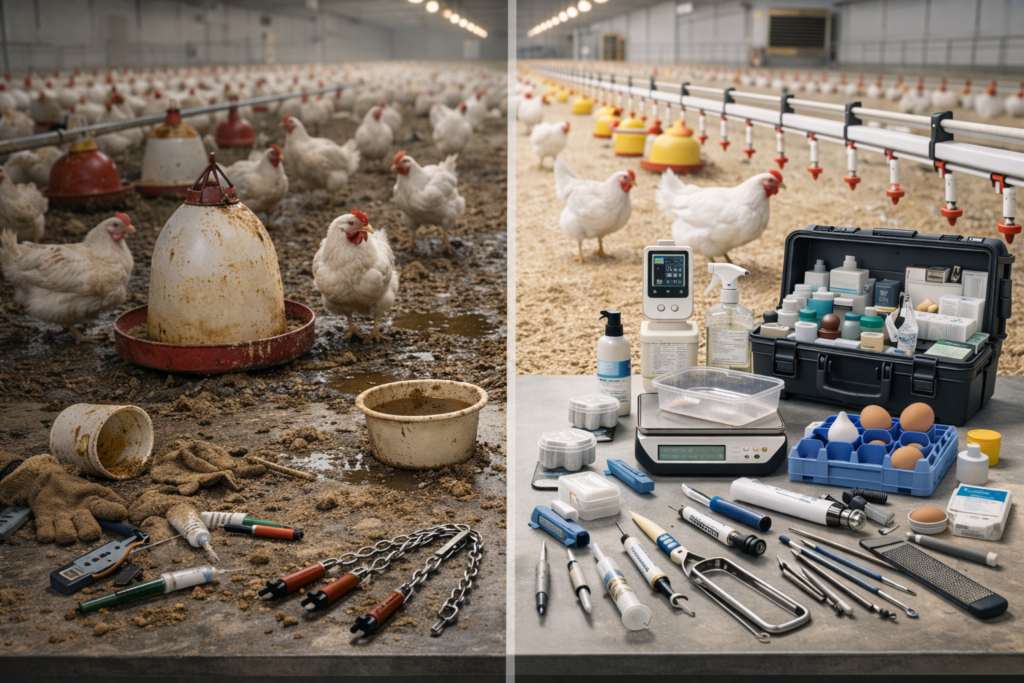
Prioritizing Proactive Poultry Health on Your Farm
The modern poultry industry operates on a massive scale, with global poultry meat production surpassing 141.3 million metric tons in 2024, making it the most produced protein worldwide. Similarly, global egg production has seen substantial growth, increasing by 32.1% from 2013 to 2023. This immense scale of poultry farming necessitates a sophisticated approach to health management. While efficiency and productivity are paramount, they are fundamentally underpinned by the health and well-being of the flock. The increasing recognition of this fact is reflected in the expanding global animal healthcare market, valued at USD 220.8 billion in 2025 and projected to reach USD 399.4 billion by 2035. This growth underscores a universal commitment to animal welfare.
For farmers, ensuring flock health is not merely an ethical consideration; it is a direct driver of profitability and sustainability. Historically, the approach to flock health often leaned towards reactive treatment, addressing illnesses only after they manifested and impacted production. However, the paradigm is rapidly shifting towards proactive prevention and management. This evolution is driven by a deeper understanding of disease dynamics, the economic benefits of averting outbreaks, and the availability of advanced tools. The transition from a reactive stance to a proactive one requires a strategic investment in specialized poultry veterinary equipment and tools. These tools empower farmers to not only monitor their flocks closely but also to implement robust biosecurity measures, conduct early diagnostics, administer timely treatments, and maintain optimal environmental conditions. This comprehensive guide will explore the essential veterinary equipment categories crucial for fostering a healthy, resilient flock, ultimately contributing to a more sustainable and prosperous poultry farming operation.
The Foundation of a Productive Flock: Health Over Production
 Investing in flock health is the foundation for achieving optimal production and long-term profitability in poultry farming.
The ultimate goal for any poultry farming operation is productivity, whether measured in meat yield or egg output. However, this productivity is inextricably linked to the health of the birds. A flock plagued by disease, stress, or nutritional deficiencies cannot reach its genetic potential. Therefore, prioritizing flock health should be viewed not as a secondary concern to production, but as its fundamental prerequisite. Investing in quality poultry farming equipment that directly supports health and welfare is a strategy that pays dividends in the long run. As noted in industry reports, investing in high-quality equipment can translate to reduced maintenance costs and improved efficiency over time. This highlights a crucial insight: durable, reliable equipment designed with health in mind is a cornerstone of sustainable poultry farming.
The Shift: From Reactive Treatment to Proactive Prevention and Management
 The shift from a reactive approach (treating illness after it occurs) to a proactive one (preventing disease through monitoring and biosecurity) is key to modern poultry farm success.
The traditional approach to animal health often involved waiting for signs of illness before intervention. This reactive strategy, while sometimes necessary, is inherently less effective and more costly than a proactive one. Diseases can spread rapidly within dense poultry populations, leading to significant mortality, reduced egg production, and increased feed conversion ratios. The economic repercussions of major outbreaks, such as Avian Influenza, can be devastating, with past events in the United States resulting in approximately 40 million animal losses and economic costs from US$2.5 to US$3 billion in 2023.
A proactive approach, conversely, focuses on preventing disease before it takes hold. This involves establishing robust biosecurity protocols, meticulously managing the farm environment, conducting regular monitoring and diagnostics, and implementing preventive health measures like vaccination. The shift requires a different set of tools – not just those for routine feeding and watering, but specialized poultry veterinary equipment that enables continuous oversight, early detection, and rapid intervention. By investing in and utilizing these tools effectively, farmers can create an environment that minimizes disease risk, enhances bird resilience, and ensures the long-term health and profitability of their flocks.
Overview of Essential Veterinary Equipment Categories
To effectively manage flock health proactively, farmers need to equip themselves with a range of specialized tools. These can be broadly categorized into four key areas, each addressing a critical aspect of avian health management:
- Biosecurity and Environmental Control Tools: These are the first lines of defense, designed to prevent the introduction and spread of pathogens and to maintain optimal living conditions.
- Monitoring and Diagnostic Tools: These empower farmers to detect subtle changes in bird health or environmental parameters, enabling early intervention.
- Treatment, Emergency Care, and Humane Handling Equipment: These tools are essential for administering necessary medical interventions, responding to health crises, and ensuring humane practices.
- Digital Management and Record-Keeping Tools: Modern technology plays a crucial role in optimizing health management through data collection, analysis, and streamlined operations.
Understanding and investing in equipment within these categories is vital for any farmer committed to achieving superior flock health outcomes.
Foundational Health: Biosecurity and Environmental Control Tools for Disease Prevention
The bedrock of a healthy flock lies in preventing disease introduction and maintaining an optimal environment. This is achieved through stringent biosecurity measures and precise climate control. The right equipment is not merely ancillary; it is integral to the successful implementation of these critical health strategies in poultry farming.
Implementing Robust Biosecurity Measures
Biosecurity on a poultry farm refers to the practices and protocols implemented to prevent the introduction and spread of infectious diseases. This is a multi-faceted approach that relies heavily on specific equipment. Effective biosecurity involves controlling the movement of people, vehicles, and animals onto and off the farm, as well as preventing contamination from wild birds and pests.
Essential biosecurity equipment includes:
- Footbaths and Disinfection Stations: Strategically placed at entry points to housing, these are crucial for disinfecting footwear. They require durable trays and appropriate disinfectants.
- Dedicated Farm Clothing and Footwear: Providing and ensuring the use of clean, dedicated attire for all personnel and visitors entering housing areas minimizes the transfer of pathogens.
- Pest Control Systems: Traps, barriers, and repellents are necessary to deter rodents and insects, which can act as vectors for diseases.
- Secure Fencing: Perimeter fencing is vital to prevent unauthorized access and to deter wild animals, including wild birds, which can carry diseases like Avian Influenza. This also applies to securing areas around hatcheries and other sensitive facilities.
- Vehicle Wash-Down Areas: For farms with significant vehicle traffic, dedicated areas for washing and disinfecting vehicles entering or leaving the premises are essential.
Implementing these measures with the right equipment creates a physical barrier against disease, significantly reducing the risk to the poultry flock.
Sanitation and Cleaning Equipment for Disease Control
Regular and thorough cleaning and disinfection are cornerstones of disease prevention in poultry farming. Pathogens can survive on surfaces, equipment, and within the environment for extended periods, making effective sanitation paramount. The scale of operations on modern farms necessitates specialized equipment to ensure comprehensive cleaning.
Key sanitation and cleaning tools include:
- High-Pressure Washers: These are indispensable for removing organic matter (manure, feed, dust) from all surfaces within housing, including walls, floors, and equipment like feeders and waterers.
- Broad-Spectrum Disinfectants: A range of disinfectants effective against common poultry pathogens is required. Their efficacy depends on correct dilution and application.
- Sprayers and Foggers: These are used for applying disinfectants to large areas and into hard-to-reach crevices. Backpack sprayers are suitable for smaller areas, while tractor-mounted or vehicle-mounted units are used for larger facilities. Fogging devices can ensure even distribution of disinfectant mist.
- Scrub Brushes and Tools: For detailed cleaning of specific equipment like feeders, waterers, and egg collection trays.
- Disposal Bins and Waste Management Systems: Proper containment and disposal of used cleaning materials, soiled bedding, and potentially infected carcasses are critical to prevent disease spread.
- Fumigation Equipment: For empty housing or hatcheries, fumigation using formaldehyde or other approved agents can provide a deeper level of sterilization.
Consistent use of these tools ensures that the farm environment is hostile to pathogens, protecting the flock from contamination.
Manure Management Systems for Optimal Air Quality and Hygiene
Manure accumulation is an inevitable part of poultry farming, but its management is critical for flock health. Wet, accumulating manure creates a breeding ground for bacteria and parasites, and significantly degrades air quality within the housing due to ammonia and other noxious gas emissions. Poor air quality can lead to respiratory problems, stress, and reduced immunocompetence in poultry.
Effective manure management systems include:
- Scraper Systems: Automated or manual scrapers can regularly remove manure from under cages or slat housing systems, preventing buildup.
- Belt Systems: Conveyor belts installed beneath cages can continuously move manure out of the housing, keeping the environment cleaner.
- Litter Management Tools: For floor-housed poultry, specialized tillers and aerators can help maintain dry litter conditions, crucial for preventing coccidiosis and other floor-borne diseases.
- Manure Drying Systems: In some intensive operations, systems to actively dry manure can reduce moisture content, minimize ammonia production, and make handling easier.
- Composting Equipment: On-farm composting can be an environmentally sound method for managing manure, reducing its volume and creating a valuable soil amendment, while also killing pathogens through heat generation.
Proper manure management directly contributes to improved air quality, reduced disease risk, and a more comfortable environment for the birds.
Climate Control and Ventilation Equipment for Bird Health
Maintaining optimal environmental conditions within poultry housing is paramount for bird health, welfare, and productivity. This involves precise temperature control, effective ventilation, and ensuring good air quality. Birds, especially young chicks in brooders, are highly susceptible to temperature fluctuations. As they grow, their metabolic rates change, and their susceptibility to environmental stressors like ammonia and dust increases.
Essential climate control and ventilation systems include:
- Heating Systems: Various heaters, such as radiant heaters, forced-air heaters, or tube heaters, are used to maintain appropriate temperatures, especially for young poultry. Thermostats are critical for regulating these systems.
- Cooling Systems: In warmer climates, fans, evaporative cooling pads, or misting systems are necessary to prevent heat stress, which can severely impact egg production, growth rates, and lead to mortality.
- Ventilation Fans: These are the workhorses of air quality management. They exhaust stale air laden with moisture, ammonia, carbon dioxide, and dust, and bring in fresh air. Variable speed fans allow for precise control based on flock size and external conditions.
- Inlet Systems: These control the entry of fresh air, often through adjustable curtains or baffled inlets, to ensure efficient air exchange without creating drafts.
- Air Quality Monitors: Devices that measure levels of ammonia, carbon dioxide, and humidity are vital for assessing the effectiveness of ventilation systems and identifying potential problems before they impact bird health. These are increasingly sophisticated, with some integrated into smart poultry farming systems.
- Thermostats and Environmental Controllers: Advanced controllers can integrate temperature, humidity, and ventilation fan speed to automatically maintain desired environmental parameters, ensuring consistent conditions.
These systems work in synergy to provide a stable, healthy environment, minimizing stress and disease susceptibility. For specialized operations like hatcheries, precise temperature control and humidity management are absolutely critical for successful incubation.
Essential Monitoring & Diagnostic Tools for Early Detection and Intervention
Even with the best biosecurity and environmental controls, issues can arise. Early detection of health problems is crucial for effective intervention, minimizing losses, and preventing widespread outbreaks. This requires equipping farmers with tools for basic health assessments, monitoring feed and water quality, and collecting samples for further analysis.
Basic Health Assessment and Physical Examination Tools
Regular physical examination of the flock, even on a sample basis, can reveal early signs of illness. Specialized tools can assist farmers in conducting these assessments more effectively.
These include:
- Thermometers: Digital thermometers, including rectal thermometers designed for avian use, are essential for taking accurate body temperature readings, a key indicator of infection or stress.
- Stethoscopes: While less common for routine flock checks, a stethoscope can be useful for listening to respiratory sounds in individual birds, helping to identify respiratory distress.
- Examination Lights: A good quality handheld light is necessary for visually inspecting birds for external parasites, injuries, or signs of disease on the skin, eyes, or vent area.
- Palpation Tools: For specific diagnostic purposes, simple palpation of organs or joints can sometimes provide diagnostic clues, although this often requires veterinary training.
- Scales: Accurate weighing scales for individual birds or representative samples allow farmers to monitor growth rates and weight gain, which are sensitive indicators of overall health and feed efficiency.
These basic tools allow for a more objective assessment of bird health beyond visual observation.
Water and Feed Quality Monitoring Devices
Water and feed are fundamental to bird health, providing essential nutrients and hydration. Any compromise in their quality can quickly lead to digestive upset, poor growth, and increased susceptibility to disease. Monitoring the quality of water from waterers and feed from feeders is therefore a critical diagnostic step.
Key monitoring devices include:
- Water Testing Kits: These kits can measure parameters such as pH, total dissolved solids, chlorine levels, and the presence of bacteria like coliforms. Maintaining clean and appropriately treated water from waterers is paramount.
- Feed Moisture Meters: Excess moisture in feed can lead to mold growth and spoilage, producing mycotoxins that are harmful to poultry. These meters help ensure feed is stored and distributed correctly.
- Basic Feed Analysis Tools: While comprehensive lab analysis is ideal, some field kits can provide quick assessments of key feed components or detect the presence of common contaminants.
- pH Meters for Water: Ensuring water is within the optimal pH range for hydration and nutrient absorption.
These tools help ensure that the fundamental inputs for flock health are of the highest standard, preventing nutrition-related issues and reducing the risk of pathogen ingestion. The global Smart Poultry Drinker Line Monitor market, valued at USD 412.5 million in 2024 and projected to grow at a CAGR of 11.2%, highlights the increasing adoption of technologies that monitor critical aspects of water delivery for optimal health.
Disease Surveillance and Sample Collection Kits
For more specific disease surveillance and to support veterinary diagnoses, farmers need equipment for collecting biological samples. This allows for laboratory testing, identification of specific pathogens, and the development of targeted treatment or vaccination strategies.
Essential kits and tools for this purpose include:
- Swab Kits: Sterile swabs are used to collect samples from the oropharynx, cloaca, or lesions for bacteriological or virological testing.
- Fecal Collection Tools: Specialized containers or methods for collecting fresh fecal samples are needed for parasite egg counts or for identifying intestinal pathogens.
- Sterile Collection Vials and Containers: For collecting blood, tissue, or environmental samples, maintaining sterility is crucial for accurate laboratory results.
- Parasite Detection Tools: Simple magnifying glasses or basic field microscopes can aid in the initial identification of external parasites or common internal parasites in fecal samples.
- Egg Collection for Diagnostic Purposes: In laying flocks, specific eggs may need to be collected for internal examination or for testing for vertical disease transmission.
These kits enable farmers to gather crucial diagnostic information, which is vital for effective disease management and for the overall growth of the poultry diagnostics market, estimated at USD 702.5 million in 2023 and growing at a CAGR of over 10.5%.
Advanced Environmental and Behavioral Monitoring
Beyond basic temperature and humidity, more sophisticated monitoring tools can provide deeper insights into the farm environment and flock behavior, which are indirect but powerful indicators of health and welfare.
These advanced tools include:
- Ammonia Monitors: These portable devices provide real-time readings of ammonia levels in the housing, allowing farmers to assess the effectiveness of ventilation systems and manure management and take immediate corrective action if levels become hazardous.
- Carbon Dioxide (CO2) Monitors: High CO2 levels also indicate poor ventilation and can negatively impact bird respiration and overall health.
- Humidity Sensors: Crucial for managing respiratory health and preventing condensation, especially in brooders and hatcheries.
- Light Meters: Ensuring appropriate lighting intensity and duration is vital for bird behavior, growth, and egg production. Light meters help calibrate lighting systems.
- Noise Level Meters: Excessive noise can cause stress in poultry, impacting their behavior and potentially their immune systems.
- Behavioral Monitoring Systems: Emerging technologies, including motion sensors and cameras integrated with AI, can detect abnormal behaviors such as increased lethargy, reduced activity, or signs of distress, providing an early alert system.
These advanced tools allow for a more comprehensive understanding of the flock’s environment and well-being, enabling preventative measures based on data-driven insights.
Treatment, Emergency Care, and Humane Handling Equipment
Despite best efforts in prevention and monitoring, there will be instances requiring direct intervention. This includes administering medications, responding to injuries or emergencies, and ensuring that any necessary culling or handling is performed humanely.
Medical Administration Tools for Targeted Treatment
When birds become ill, timely and accurate administration of medications is crucial for recovery and preventing spread. This requires specific tools to ensure the correct dosage and route of administration.
Essential medical administration tools include:
- Syringes and Needles: A range of sizes is necessary for administering injectable medications. Sterility is paramount to prevent secondary infections.
- Oral Dosing Devices: Syringes with calibrated markings, drench guns, or specialized oral applicators are used for administering liquid medications directly into the bird’s mouth.
- Water Medication Systems: In larger flocks, medications are often administered through the drinking water. This requires compatible dosing pumps that accurately mix medication into the water supply, ensuring consistent dosage for the entire flock. These systems need to be carefully managed to ensure medication delivery.
- Dust or Powder Applicators: For topical treatments or certain respiratory medications applied via dust, specialized applicators may be needed.
- Nebulizers: In cases of respiratory disease, nebulizers can be used to deliver medication directly into the respiratory tract of individual birds or within a confined space.
- Proper Storage for Medications: Maintaining the efficacy of medications requires proper storage, including refrigeration for certain biologics and vaccines, and secure, dry storage for others.
The global poultry vaccines market, valued at USD 1.9 billion in 2023, highlights the increasing reliance on preventive health measures, for which accurate administration equipment is essential.
First Aid and Wound Care Supplies
Injuries can occur due to accidents, aggression within the flock, or environmental hazards. Having a well-stocked first aid kit is crucial for immediate care and to prevent complications like infection.
Key first aid and wound care supplies include:
- Antiseptic Solutions: Povidone-iodine or chlorhexidine solutions for cleaning wounds and preventing infection.
- Wound Sprays and Ointments: Topical treatments to promote healing and protect wounds.
- Sterile Gauze Pads and Bandages: For covering and protecting wounds.
- Wound Closure Strips: For closing minor lacerations.
- Hemostatic Agents: Products that help stop bleeding from minor wounds.
- Eyewash Solution: For flushing eyes that may have come into contact with irritants.
Prompt and appropriate first aid can prevent minor injuries from becoming serious health issues.
Isolation and Quarantine Units for Disease Containment
When new birds are introduced to the farm or when an individual bird shows signs of contagious illness, isolation and quarantine are essential to prevent disease transmission to the main flock. Dedicated units and specific protocols are required.
These units should include:
- Separate Housing: A designated area, such as a separate pen, cage, or even a separate small building, specifically for isolation.
- Independent Feeding and Watering Systems: All feeders and waterers used in the isolation unit must be dedicated to that area and not shared with the main flock.
- Dedicated Cleaning and Disinfection Protocols: Stricter cleaning and disinfection procedures are necessary for these units to ensure no pathogens are carried out.
- Personal Protective Equipment (PPE): Specific PPE for personnel entering the isolation area helps prevent disease spread.
Effective quarantine helps protect the health of the existing flock and prevents the introduction of new diseases.
Humane Handling and Culling Tools
Humane treatment of animals is an ethical imperative and is increasingly mandated by regulations. This applies to all aspects of handling, including movement, restraint, and, when necessary, euthanasia (culling). Using appropriate tools ensures that these procedures are carried out with minimal stress and pain to the birds.
Tools for humane handling and culling may include:
- Catching Hooks or Panels: Used to gently guide or gather birds, minimizing panic and injury.
- Crates and Carriers: Designed for safe transport of birds, providing adequate ventilation and preventing injury.
- Culling Tools: Depending on the scale and type of operation, this can range from specialized cervical dislocation tools to captive bolt pistols or specific anesthetic overdose protocols, all requiring training and adherence to established humane euthanasia guidelines.
Proper training and the use of appropriate equipment are critical for upholding animal welfare standards.
Digital Management & Record-Keeping for Health Optimization
In today’s data-driven world, technology offers powerful tools for optimizing every aspect of poultry farming, including health management. Digital systems allow for more accurate data collection, sophisticated analysis, and streamlined operations, leading to more informed decision-making.
Poultry Management Software and Applications
Dedicated poultry management software and mobile applications are transforming how farmers track flock health. These platforms serve as central hubs for recording a vast array of data, facilitating proactive health strategies.
Key functionalities include:
- Health Event Logging: Recording observations of illness, symptoms, mortality events, and post-mortem findings.
- Treatment Records: Documenting all medications administered, including dosage, duration, and withdrawal periods.
- Vaccination Schedules and Records: Tracking vaccination programs to ensure timely administration and maintain flock immunity.
- Mortality Tracking: Detailed logs of daily mortality, including reasons for death where known, to identify trends.
- Biosecurity Protocol Tracking: Recording adherence to cleaning schedules, disinfection logs, and visitor logs.
- Integration with Environmental Data: Many systems can import data from environmental monitoring devices, correlating conditions with flock health.
These applications are invaluable for farmers seeking to gain a deeper understanding of their flock’s health status and identify patterns that might otherwise go unnoticed.
Automated Monitoring Systems for Continuous Oversight
The integration of automated monitoring systems with digital management platforms provides real-time oversight of critical farm parameters. These systems leverage sensors placed throughout the housing and farm to continuously collect data.
This includes:
- Environmental Sensor Networks: Automated sensors for temperature, humidity, ammonia, CO2, and light intensity, feeding data directly into management software.
- Smart Feeder and Drinker Monitoring: Systems that track feed and water consumption, flagging deviations from normal patterns which can indicate illness or system malfunctions. The growth of smart drinker monitoring highlights the industry’s focus on these critical aspects.
- Behavioral Monitoring Devices: As mentioned earlier, sensors and cameras can capture activity levels and patterns, alerting farmers to potential welfare issues or early signs of disease.
These automated systems provide an invaluable layer of constant vigilance, allowing farmers to respond to issues as they emerge, rather than discovering them hours or days later.
Inventory and Supply Chain Management for Health-Related Items
Maintaining an adequate stock of veterinary supplies, medications, disinfectants, and diagnostic tools is crucial for preparedness. Digital inventory management systems help ensure that these essential items are always available when needed, preventing delays in treatment or biosecurity protocols.
These systems can track:
- Stock Levels: Real-time inventory of all health-related supplies.
- Expiration Dates: Monitoring expiry dates to ensure that older stock is used first and that expired items are not accidentally used.
- Reorder Points: Setting automatic alerts when stock levels fall below a predefined reorder threshold.
- Usage Tracking: Analyzing usage patterns to forecast future needs and optimize purchasing.
Effective inventory management ensures that farmers are never caught short when critical health interventions are required.
Maintaining Your Veterinary Equipment and Adhering to Best Practices
The effectiveness of any veterinary equipment hinges on its proper maintenance, calibration, and the ongoing education of the personnel using it. Neglecting these aspects can compromise accuracy, lead to equipment failure, and undermine health management efforts.
Routine Cleaning and Sterilization of All Tools
This cannot be overstated: cleanliness is paramount. All veterinary tools that come into contact with birds, their environment, or biological samples must be rigorously cleaned and sterilized after each use. This prevents cross-contamination between birds, pens, or diagnostic samples. Tools like syringes, needles, calipers, and sample collection vials must be dedicated to individual birds or rigorously sterilized between uses. Even non-contact items like environmental monitors should be cleaned regularly to ensure accurate readings.
Calibration and Maintenance of Monitoring Devices (Thermometers, Ammonia Monitors)
Environmental monitoring devices, such as thermometers, ammonia monitors, and CO2 sensors, provide the data upon which critical management decisions are based. If these devices are not calibrated regularly, the data they provide will be inaccurate, leading to potentially harmful management errors. Manufacturers provide guidelines for calibration schedules. Regular maintenance, including checking battery levels, cleaning sensors, and inspecting for physical damage, ensures these devices function reliably.
Continuous Learning and Training for Farmers (USDA APHIS “Defend the Flock” Program)
The field of poultry health management is constantly evolving, with new diseases emerging and new diagnostic and treatment strategies being developed. Farmers must commit to continuous learning. Programs like the USDA APHIS “Defend the Flock” initiative provide valuable resources and training on biosecurity, disease prevention, and flock health management. Staying informed through industry publications, workshops, and extension services is crucial for effective and up-to-date practice.
The Importance of Collaboration with a Qualified Veterinarian
While the equipment and knowledge discussed empower farmers to manage flock health proactively, it is essential to recognize that these tools complement, rather than replace, professional veterinary expertise. A qualified avian veterinarian brings specialized knowledge and diagnostic capabilities that are invaluable for complex health issues, disease outbreak investigations, and developing comprehensive health management plans. Regular consultation with a veterinarian ensures that farmers are utilizing their equipment effectively and implementing the most appropriate strategies for their specific flock and farm conditions.
Conclusion: A Healthy Flock, A Sustainable Future
The journey of a poultry farming operation from its inception to sustained profitability is heavily reliant on the health of its flock. In an industry characterized by rapid growth, with global poultry meat production exceeding 141.3 million metric tons and egg production showing significant increases, the demand for robust health management practices is more critical than ever. The shift from reactive disease treatment to proactive prevention and management is not just a trend; it is a fundamental requirement for success.
The investment in essential poultry veterinary equipment and tools is a direct investment in the farm’s future. From ensuring impeccable biosecurity and optimal climate control with advanced ventilation systems and temperature control devices, to enabling early detection through sophisticated monitoring and diagnostic tools, and finally, to facilitating timely treatment and humane handling, each category of equipment plays a vital role. Digital management platforms further enhance these efforts by providing data-driven insights and streamlining operations, making farmers more efficient and effective.
The global animal healthcare market’s trajectory, projected to reach USD 399.4 billion by 2035, and the steady growth of the poultry farming equipment market, expected to reach US$ 6.7 billion by 2034, reflect a global industry-wide commitment to prioritizing animal well-being. By embracing these essential veterinary tools and integrating them into a proactive health management strategy, farmers can significantly reduce disease incidence, improve production efficiency, enhance animal welfare, and build a more resilient and profitable poultry farming enterprise. Ultimately, a commitment to flock health through strategic equipment investment and continuous learning paves the way for a healthier flock and a more sustainable future for poultry farming.