
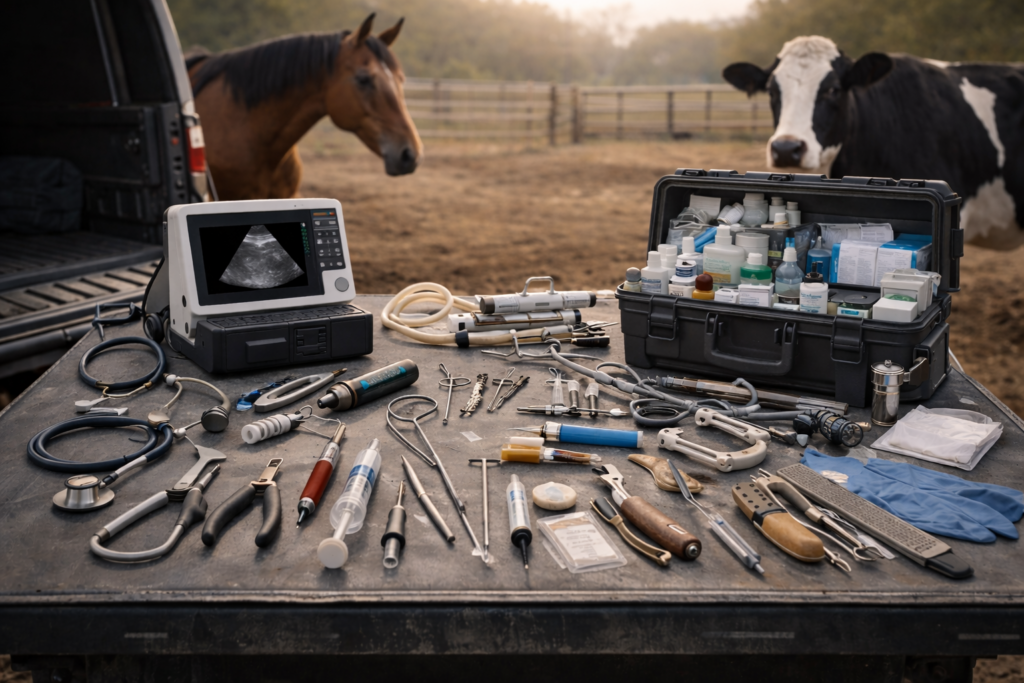
Equipping for Excellence in Large Animal Care
 While some foundational tools are universal, cattle and horses require specialized equipment to address their unique physiological needs.
The practice of veterinary medicine for large animals, encompassing cattle and horses, demands a unique blend of skill, knowledge, and, crucially, the right equipment. Unlike their smaller counterparts, these powerful species present distinct challenges requiring specialized tools for diagnosis, treatment, and routine management. In an era of advancing veterinary science and increasing demands for animal welfare and agricultural efficiency, equipping veterinary professionals and owners with the appropriate gear is not merely a convenience; it is fundamental to success. This comprehensive guide delves into the essential veterinary equipment for cattle and horses, distinguishing between shared foundational needs and species-specific requirements. We aim to provide veterinarians, farm owners, and handlers with a definitive resource, bridging the gap between basic preparedness and advanced capabilities. By understanding the critical role of proper equipment, veterinarians can enhance diagnostic accuracy, treatment efficacy, and practitioner safety, ultimately contributing to the health and productivity of these vital animals.
The Critical Role of Proper Veterinary Equipment in Modern Animal Husbandry
 The growing market for veterinary equipment and healthcare underscores the economic and welfare importance of proper tools in modern animal husbandry.
Modern animal husbandry, whether focused on production agriculture, performance animals, or companion equines, relies heavily on timely and accurate veterinary intervention. The right equipment is the tangible extension of a veterinarian’s expertise, enabling precise diagnostics, effective treatments, and the prevention of suffering. For cattle, managing vast herds and addressing common health issues like digestive disorders or calving complications necessitates robust, reliable tools. Similarly, the intricate physiology and athleticism of horses demand specialized instruments for everything from routine dental care to complex orthopedic assessments.
The global veterinary medical equipment market, valued at $2.42 billion in 2023 and growing at a CAGR of 7.7%, underscores the significant investment and continuous innovation in this sector. This growth is fueled by an increasing awareness of animal welfare, advancements in veterinary techniques, and the economic importance of healthy livestock. In the United States alone, with over 94 million cattle as of 2023, efficient management and prompt veterinary care are paramount. The global cattle healthcare market, projected to reach USD 14.03 Billion by 2033, further emphasizes the economic imperative behind robust veterinary support. For horses, the global equine healthcare market, valued at USD 2.5 billion in 2024 and projected to reach USD 4.6 billion by 2034, highlights a parallel demand for specialized care and equipment. Equine veterinarians, though a smaller segment at 3.4% of the total veterinary population in 2023, face unique challenges requiring tailored tools. Proper equipment directly translates to improved outcomes, reduced animal stress, enhanced biosecurity, and increased operational efficiency for veterinarians and owners alike.
Understanding Shared Needs and Species-Specific Requirements for Cattle and Horses
While both cattle and horses are large mammals, their physiology, behavior, and common health issues necessitate distinct equipment considerations. There is, however, significant overlap in fundamental needs. Basic diagnostic tools like stethoscopes and thermometers are universally applicable, as are many wound care supplies and basic medication administration devices. Both species can benefit from advancements in diagnostic imaging, with the global veterinary diagnostic imaging market, particularly the large animal segment contributing 58.5% to the overall market share, showing strong growth.
Species-specific differences become apparent in areas like restraint and handling. The powerful kicking reflex and flight response of horses require different safety measures than the often more herd-oriented behavior of cattle. Dental care, while important for both, is dramatically different; horses require specialized floating and extraction tools due to their hypsodont teeth, whereas cattle dental care is typically limited to managing incisor abnormalities or providing appropriate feed for grinding. Reproductive management also diverges significantly, with the mechanics of palpation, artificial insemination, and calving assistance varying between the species. Recognizing these shared and distinct needs is the first step in building a versatile and effective veterinary toolkit.
Why a Comprehensive Guide to Essential Equipment is Crucial for Veterinarians and Owners
A comprehensive guide to veterinary equipment serves as an indispensable reference for both seasoned professionals and emerging practitioners, as well as informed owners. For veterinarians, it validates current practices, highlights potential gaps in their inventory, and offers insights into newer technologies. It can inform purchasing decisions, ensuring that investments are strategic and aligned with the demands of their practice, whether primarily equine, bovine, or mixed. For farm owners and managers, it demystifies the veterinary toolkit, enabling better communication with their veterinarian, understanding of recommended procedures, and preparedness for on-farm emergencies.
The global veterinary diagnostic services market, valued at USD 36.1 billion in 2023, with laboratory-based services holding a significant 62.7% market share, indicates the critical role of diagnostics. A guide that details the equipment supporting these services—from basic fecal flotation kits to advanced portable ultrasound units—empowers users to understand the capabilities available. Furthermore, for students and those new to large animal practice, such a guide provides a foundational roadmap, preventing costly mistakes and accelerating the learning curve. Ultimately, a thorough understanding of essential equipment fosters a culture of preparedness, enhances animal welfare, and strengthens the veterinarian-client-animal relationship.
Core Veterinary Kit: Foundational Tools for Any Large Animal Practice
The foundation of any effective large animal veterinary practice lies in a well-stocked core kit. These are the essential tools that every practitioner should have readily available, regardless of whether they primarily work with cattle or horses, in a clinic setting, or on farm calls. This foundational equipment covers basic diagnostics, wound management, medication administration, and personal safety, forming the bedrock of veterinary care.
Essential Diagnostic Hand Tools: Stethoscopes, Thermometers, Ophthalmoscopes, and Otoscopes
Accurate diagnosis begins with fundamental assessment tools that allow for a physical examination of the animal’s internal systems and external features.
- Stethoscopes: A high-quality stethoscope is indispensable for auscultating heart sounds, lung fields, and gastrointestinal motility. For large animals, larger bell chest pieces are often preferred to capture broader sounds. Dual-head stethoscopes, with a diaphragm for high-frequency sounds and a bell for low-frequency sounds, offer versatility. Clinicians can differentiate between normal and abnormal gut sounds in cattle (borborygmi) or listen for murmurs and arrhythmias in equine cardiac examinations.
- Thermometers: Measuring body temperature is a quick yet critical diagnostic step. Digital rectal thermometers are standard, offering rapid and accurate readings. Some veterinarians prefer veterinary-specific thermometers designed for large animals, featuring durable casings and larger probe tips. Infrared ear thermometers can be used for a less invasive assessment, particularly useful in horses where rectal temperature taking might be challenging. Consistency in measurement location and method is key for tracking trends in an animal’s condition.
- Ophthalmoscopes: Essential for examining the eyes, an ophthalmoscope allows veterinarians to detect signs of conjunctivitis, keratitis, uveitis, and other ocular conditions common in both cattle and horses. The ability to visualize the retina, optic disc, and blood vessels is crucial for diagnosing systemic diseases that may manifest ophthalmologically.
- Otoscopes: While ear issues might be more commonly associated with smaller species, otoscopes are still valuable for examining the ear canals of horses and cattle. They can help identify foreign bodies, signs of infection (otitis externa), or trauma. The structure of the equine ear canal, with its significant curvature, makes visualization with an otoscope particularly important for thorough examination.
Basic Wound Care and First Aid Supplies: Bandaging Materials, Antiseptics, and Wound Cleaners
Injuries are common in large animals, and prompt, effective wound management is critical to prevent infection, promote healing, and minimize scarring. A well-organized first aid kit is paramount.
- Bandaging Materials: This includes a range of supplies: sterile gauze pads of various sizes for wound dressing, absorbent cotton rolls for padding, cohesive self-adhering bandages (like VetWrap) that stick to themselves but not to the coat, and strong adhesive tapes (e.g., Elastikon) for securing dressings. For severe wounds or fractures, casting materials might be required. Proper bandaging supports wounds, controls bleeding, and protects them from environmental contamination.
- Antiseptics and Wound Cleaners: Solutions like povidone-iodine (diluted to avoid irritation) and chlorhexidine are standard for cleaning wounds. Saline solution is essential for flushing debris without causing tissue damage. For topical application, veterinarians may use antimicrobial sprays or ointments, always considering species sensitivity to avoid adverse reactions. The hands-on application of these materials requires sterile gloves to maintain cleanliness and protect the veterinarian.
- Disinfectants: Beyond wound cleaning, disinfectants are vital for cleaning equipment and maintaining hygiene in examination areas, stalls, or on farm premises, preventing the spread of pathogens between animals.
General Medication Administration Equipment: Syringes, Needles, and Oral Delivery Devices
The administration of medications is a cornerstone of veterinary treatment, and the correct equipment ensures accuracy, efficacy, and safety.
- Syringes and Needles: A variety of syringe volumes (e.g., 3ml, 6ml, 12ml, 30ml, 60ml) are necessary to accommodate different drug volumes and dosages. Needle selection is critical and depends on the injection route (intramuscular, subcutaneous), the viscosity of the medication, and the size and tissue thickness of the animal. Common needle gauges range from 18g to 22g, with lengths varying from 1 to 2 inches. It’s crucial to use needles appropriate for the specific injection site to ensure proper absorption and minimize tissue trauma.
- Oral Delivery Devices: For administering oral medications, specialized devices are essential. Drench guns are used for cattle to deliver liquid medications or supplements efficiently into the back of the throat. Balling guns are designed for horses and cattle to administer pills or boluses. These devices ensure the medication bypasses the trachea and goes directly into the esophagus, minimizing the risk of aspiration and ensuring the animal receives the full dose. The correct application requires significant experience and a good understanding of animal behavior.
Personal Protective Equipment (PPE): Ensuring Safety for Veterinarians, Handlers, and Animals
Personal Protective Equipment (PPE) is non-negotiable in large animal practice. It protects humans from zoonotic diseases, chemical exposure, and physical injury, while also preventing the transmission of pathogens from veterinarians to animals.
- Gloves: Disposable gloves (latex or nitrile) are essential for nearly all patient interactions, from simple examinations to surgical procedures. They provide a barrier against bacteria, viruses, and other pathogens. Multiple pairs should be readily available.
- Eye Protection: Safety glasses or goggles, and sometimes face shields, are crucial to protect the eyes from splashes of bodily fluids, medications, or debris during procedures.
- Gowns and Aprons: Water-resistant gowns or aprons protect clothing from contamination and are particularly important during calving, wound treatment, or any procedure involving significant fluid exposure.
- Footwear: Sturdy, closed-toe, non-slip boots are essential for navigating potentially slippery farm surfaces and providing protection from falling objects or animal kicks.
- Respiratory Protection: In certain situations, such as dusty environments or when handling animals with respiratory distress, masks or respirators may be necessary.
The proper use of PPE is as important as having it. Training handlers and veterinarians on correct donning and doffing procedures is vital to maximize its effectiveness.
Advanced Diagnostic Equipment: Uncovering Hidden Conditions
Beyond the fundamental diagnostic tools, advanced equipment plays an increasingly critical role in identifying subtle or complex conditions that might be missed through physical examination alone. These technologies enhance diagnostic accuracy, enable earlier intervention, and improve treatment planning. The global veterinary diagnostic imaging market is a testament to this, with the large animal segment contributing a significant 58.5% to its overall market share.
Endoscopy: Visualizing Internal Structures for Accurate Diagnosis
Endoscopy allows veterinarians to visualize internal organs and structures non-surgically. Flexible endoscopes, equipped with cameras and light sources, can be guided into various body cavities.
- Equine Applications: Gastroscopy allows examination of the equine stomach lining, crucial for diagnosing ulcers, which are common in horses involved in strenuous activity or those managed with intermittent feeding. Colonoscopy can assess the large intestine. Rhinoscopy permits visualization of the nasal passages and guttural pouches, helping to diagnose infections, tumors, or foreign bodies. Bronchoscopy allows inspection of the respiratory tract.
- Bovine Applications: Endoscopy can be used for examining the upper respiratory tract and the rumen in cattle to assess conditions like vagal indigestion or foreign body ingestion. Reproductive tract endoscopy is also possible in cows.
Endoscopic procedures often require specialized training and anesthesia but provide unparalleled diagnostic insight into conditions that are otherwise challenging to pinpoint.
Field Laboratory Essentials: Basic Blood Work, Fecal Analysis (for parasites), and Urinalysis Preparedness
The ability to perform basic laboratory tests in the field or clinic laboratory significantly speeds up the diagnostic process, especially for time-sensitive conditions. The veterinary diagnostic services market, valued at USD 36.1 billion in 2023, highlights the importance of these services, with laboratory-based testing holding a substantial 62.7% market share.
- Blood Work: Essential components include a portable centrifuge for separating blood components (plasma/serum), microscope slides for blood smears, and basic diagnostic kits. Packed Cell Volume (PCV) and Total Protein (TP) measurements can quickly assess hydration status and anemia. Rapid diagnostic kits for specific diseases can also be valuable. Ensuring proper sample collection and handling is paramount for accurate results.
- Fecal Analysis: A crucial tool for managing internal parasites in both cattle and horses. Basic equipment includes fecal flotation solutions, McMaster counting chambers or other specialized slides for quantitative analysis, and a microscope. Regular fecal egg counts help veterinarians design targeted deworming programs, reducing drug resistance and improving herd/herd health.
- Urinalysis: Urine dipsticks provide a quick assessment of various parameters like pH, protein, glucose, and ketones. Urine collection in large animals can be achieved through manual stimulation (especially in cows) or by catheterization. Urinalysis can help diagnose urinary tract infections, kidney dysfunction, and metabolic diseases.
- Point-of-Care Testing: Beyond basic blood and fecal tests, a growing array of point-of-care diagnostic devices allows for rapid in-clinic testing for infectious diseases, specific biomarkers, and more. These devices are increasingly sophisticated and user-friendly, contributing to faster treatment decisions.
Specialized Equine Veterinary Equipment: Tailored for Horses
Horses, with their unique anatomy, physiology, and high-performance demands, require a specific suite of veterinary equipment that goes beyond general large animal tools. The global equine healthcare market, projected to grow at a CAGR of 6.3%, reflects the specialized needs of these animals.
Advanced Dental Equipment: Power Floats, Speculums, and Extractors for Comprehensive Equine Oral Health (critical for horse health)
Equine dental care is critical for overall horse health, impacting digestion, comfort, and performance. Horses have hypsodont teeth that erupt continuously throughout their lives, leading to the formation of sharp enamel points, hooks, ramps, and other abnormalities.
- Power Floats and Manual Floats: These are used to smooth down sharp enamel points on the cheek teeth and remove other irregularities. Power floats, often air-driven or battery-operated, offer efficiency and precision, especially for extensive work. Manual floats are essential for more delicate adjustments or in situations where power is unavailable.
- Dental Speculums: These devices hold the horse’s mouth open safely, providing the veterinarian with clear access to the teeth. Various designs exist, from simple bit-style speculums to more elaborate mechanical ones. Their use requires careful application to avoid injury to the horse’s gums or jaw.
- Dental Picks and Extractors: For removing impacted food material, addressing specific pathological conditions, or extracting diseased or fractured teeth, specialized picks and extraction tools are necessary. This can range from simple wolf tooth extractors to specialized forceps and elevators for molar extractions.
- Dental Cameras and Radiography: Advanced diagnostics like intraoral cameras and dental radiography can help identify issues below the gum line or within the tooth roots that are not visible externally, providing a comprehensive view for diagnosis and treatment planning.
Hoof and Lower Leg Care Tools: Hoof Testers, Nippers, and Specialized Bandaging for Equine Lameness and Injury Management
Lameness is a leading cause of veterinary consultation and reduced performance in horses. Equine-specific tools are vital for diagnosing and managing conditions affecting the hoof and lower leg.
- Hoof Testers: These spring-loaded pincers are used to apply pressure to specific areas of the hoof. By systematically testing different regions, veterinarians can help pinpoint the source of pain and lameness, identifying issues like sole bruises, white line disease, or coffin bone pain.
- Hoof Nippers: Strong, heavy-duty nippers are used to trim the excess hoof wall after shoeing or to prepare the hoof for therapeutic shoeing. Different sizes and designs are available, and selecting the appropriate one is crucial for effective trimming without compromising hoof integrity. For various horse breeds, the hoof shape and density can vary, influencing nipper choice.
- Specialized Bandaging Materials: Beyond basic supplies, equine veterinarians use specialized boots and bandages for specific injuries: polo wraps for support during exercise, standing wraps for cold therapy or protection, and compression bandages for managing swelling and edema. Materials like quilted pads, elastic bandages, and adhesive tape are used in combination for therapeutic wraps.
Equine Reproductive Tools: Artificial Insemination Kits, Specialized Palpation Sleeves, and Mare/Stallion Specific Equipment
Effective management of breeding programs requires specialized equipment for equine reproduction.
- Artificial Insemination (AI) Kits: These include sterile insemination pipettes, sheaths, gloves, and a semen extender. AI allows for more efficient use of superior stallions and can be particularly useful for mares that are difficult to manage for natural cover.
- Specialized Palpation Sleeves: Rectal palpation is a primary method for assessing reproductive status in mares. Veterinarians use long, durable, and sensitive palpation sleeves to feel the ovaries, uterus, and cervix, enabling them to monitor estrous cycles, diagnose pregnancy, and identify reproductive abnormalities.
- Mare/Stallion Specific Equipment: This can include equipment for semen collection (e.g., artificial vaginas), processing and evaluation of semen (microscopes, CASA systems), and tools for procedural AI. Ultrasound equipment is also critical for monitoring follicle development and uterine health in mares.
Lameness Diagnostic Tools: Nerve Block Supplies and Flexion Test Aids (important for athleticism in various horse breeds)
Pinpointing the exact cause of lameness is essential for effective treatment and return to athleticism, especially in competitive horse breeds.
- Nerve Block Supplies: Local anesthetics are injected around specific nerves or joints to desensitize areas and isolate the source of lameness. This requires sterile syringes, needles of appropriate length and gauge, and a range of local anesthetics. Careful technique and knowledge of equine nerve pathways are critical to avoid systemic toxicity or localized complications.
- Flexion Test Aids: Flexing a horse’s limb and observing its reaction can help identify pain in specific joints or soft tissues. While often done manually, specialized devices can apply consistent and controlled pressure for diagnostic purposes.
- Radiography and Ultrasonography: Essential for visualizing bone, soft tissue, and joint structures. Portable X-ray units and high-frequency ultrasound machines are invaluable for on-farm diagnostics, allowing immediate assessment of fractures, soft tissue injuries (tendons, ligaments), and joint pathology. The global veterinary diagnostic imaging market’s growth, where large animals constitute a substantial portion, highlights the increasing reliance on these technologies.
Equine-Specific Restraint Devices: Twitches, Hobbles, and Stocks for Safe Examination and Treatment
The unpredictable nature and potential strength of horses necessitate specialized restraint methods to ensure safety for both the animal and the veterinarian.
- Twitches: Various types exist, including the nose twitch, ear twitch, and lip twitch. They work by stimulating endorphins, which have a calming effect. Their application requires skill and should be used judiciously, as improper use can cause injury or distress.
- Hobbles: Used to limit a horse’s leg movement, particularly for procedures on the lower limbs or to prevent kicking. Various designs exist, from simple rope hobbles to more complex padded versions.
- Stocks: These are specialized stalls that safely confine a horse, preventing lateral or forward movement. They are invaluable for procedures like dental work, lameness examinations, farriery, or when administering medications that require the horse to stand still for an extended period. Stocks provide a secure environment for both the animal and the handler, significantly reducing the risk of injury.
Specialized Bovine Veterinary Equipment: Designed for Cattle
Cattle, due to their digestive system, size, and herd management practices, require a distinct set of veterinary equipment. The global cattle healthcare market, valued at USD 8.97 Billion in 2024, underscores the economic importance of maintaining bovine health.
Calving Assistance Equipment: Calving Chains, Calf Jacks, and Obstetrical Lubricants for Dystocia Management
Calving difficulties (dystocia) can be life-threatening for both cows and calves. Specialized equipment aids in managing these emergencies.
- Calving Chains and Handles: Strong, durable chains designed to be attached to the calf’s legs, allowing for controlled traction. Various handle designs provide leverage for the veterinarian or handler. Proper attachment and application of force are critical to avoid injuring the calf or cow.
- Calf Jacks: Mechanical devices that provide significant mechanical advantage, allowing for the application of controlled and sustained pulling force. These are essential for more challenging dystocia cases where manual pulling is insufficient.
- Obstetrical Lubricants: Large volumes of sterile, water-soluble lubricant are required to facilitate the passage of the calf during difficult births. This reduces friction and trauma to the reproductive tract of the cow.
Rumen and Digestive Health Tools: Trocars for Bloat, Large Volume Drenching Guns, and Magnets
Cattle, being ruminants, are prone to specific digestive issues that require specialized interventions.
- Trocars for Bloat: Acute bloat, a life-threatening condition where gas accumulates in the rumen, requires immediate intervention. A large-bore trocar and cannula are used to puncture the rumen wall and release the trapped gas. Appropriate size and sharpness are critical for quick and effective relief.
- Large Volume Drenching Guns: Used to administer large volumes of liquids, such as mineral supplements, oral electrolytes, or antifermenting agents. These are significantly larger than those used for small animals and are designed for efficient delivery into the rumen.
- Magnets: Ingested metallic objects (e.g., nails, wire) can cause traumatic reticuloperitonitis (“hardware disease”). A large magnet, often called a “cow magnet,” can be administered orally to lodge in the reticulum and attract and hold these foreign bodies, preventing them from perforating the rumen wall or other organs.
Bovine Hoof Care Equipment: Specialized Trimmers, Blocks, and Supplies for Lameness in Cattle
Lameness is a significant issue in cattle, affecting productivity and welfare. Specialized equipment is used for diagnosis and treatment.
- Specialized Trimmers: Heavy-duty hoof trimmers, often larger and more robust than those for horses, are used to trim excessive hoof growth and correct deformities.
- Hoof Blocks: Wooden or rubber blocks are applied to the healthy claw of an affected foot to lift the lame claw off the ground, providing relief and promoting healing. Application requires specialized adhesive and techniques.
- Lameness Treatment Supplies: This includes bandages, disinfectants, and topical treatments for hoof conditions such as foot rot or sole ulcers.
Reproductive and Herd Health Management: Palpation Sleeves, AI Guns, and Branding/Tagging Tools for breeding and herd identification
Efficient breeding and herd management are crucial for the profitability and sustainability of cattle operations.
- Palpation Sleeves: Similar to those used in horses, but often designed for the larger rectal cavity of cows. These are essential for pregnancy diagnosis, assessing reproductive tract health, and detecting abnormalities.
- AI Guns and Supplies: For artificial insemination in cattle, specialized AI guns are used to deposit semen directly into the uterus. This requires precise technique and knowledge of bovine reproductive anatomy.
- Branding Irons and Tagging Tools: For herd identification and ownership tracking, branding irons (heated metal) or ear tag applicators are indispensable. These tools, when used correctly, are essential for managing large herds and ensuring accountability.
Castration and Dehorning Tools: Humane and Efficient Equipment for Routine Procedures
These are common management procedures that require specific tools for humane and efficient execution.
- Castration Tools: Options include elastrators (using rubber bands to cut off blood supply), Burdizzo castrators (crushing the spermatic cords), and surgical scalpels for open castration. Each method has different applications and considerations for animal welfare.
- Dehorning Tools: This can involve heated dehorning irons that cauterize the horn bud, saws for removing existing horns, or various types of specialized dehorners that crush or cut the horn. Methods vary based on the age of the animal and the desired outcome, with a focus on minimizing pain and bleeding.
Bovine-Specific Restraint Systems: Head Gates and Squeeze Chutes for Safe Handling and Examination
Safe and effective handling of cattle is paramount, especially when performing veterinary procedures.
- Head Gates (Head Locks): These devices secure an animal’s head, preventing it from moving forward or backward. They are crucial for procedures performed on the head, neck, or for oral administration. Various sizes are available to accommodate different cattle breeds and ages.
- Squeeze Chutes: These are robust structures designed to firmly hold cattle for examination, vaccination, treatment, or other procedures. They often incorporate head gates and can be adjusted for the size of the animal. The ability to restrain cattle safely and efficiently in a squeeze chute significantly reduces stress on the animal and risk to the veterinarian and handlers.
Handling and Restraint Equipment: Ensuring Safety and Efficacy
Regardless of the specific species or procedure, safe and effective handling and restraint are foundational to all large animal veterinary interactions. The animals themselves, along with humans, must be protected from injury.
Understanding Animal Behavior: Principles for Safe and Stress-Free Handling of animals
Knowledge of animal behavior is the primary restraint tool. Understanding the flight zones, social dynamics, and stress signals of cattle and horses is critical. For horses, their keen eyesight and prey animal instincts mean they can be easily startled. Cattle, while often more herd-oriented, can also be unpredictable and dangerous. Recognizing subtle cues like pinned ears, swishing tails, or tense postures allows handlers to anticipate reactions and adjust their approach, minimizing fear and aggression. This requires observation skills and significant experience.
Physical Restraint Tools: Halters, Leads, Ropes, and Nose Tongs for General Control
These are the most common tools used for basic control.
- Halters and Lead Ropes: Properly fitted halters for horses and cattle are essential for leading and controlling the animal. Lead ropes of appropriate length and material provide a secure connection. The size of the halter must match the animal.
- Ropes: Various lengths and strengths of ropes can be used for temporary restraint, tying animals, or assisting in procedures. Knowledge of knot-tying is a valuable skill.
- Nose Tongs (Nose Rings): For cattle, nose tongs can be used to apply pressure to the sensitive nasal septum, providing a degree of control during procedures. However, their use requires caution to avoid tissue damage and should be applied by experienced individuals.
Portable Panels and Corrals: Creating Safe Working Environments for On-Farm Procedures
When working on farms, creating a safe, contained environment is often necessary. Portable panels and corrals allow veterinarians to set up temporary holding pens or working areas. These can range from simple panels that connect to form a larger enclosure to more complex systems that can be assembled to create chutes for examination or treatment. Their utility is immense for tasks that require the animal to be held securely in a defined space, whether it’s for routine vaccination or a more involved procedure. These systems can also be integrated with existing farm infrastructure, such as barns or loading docks, allowing for flexible application. Even older farm structures, sometimes referred to as wagons in historical or rural contexts, can be adapted with portable panels to create better working conditions.
Chemical Restraint: Sedatives and Anesthetics
In situations where physical restraint alone is insufficient or poses too great a risk, chemical restraint becomes necessary. This involves the judicious use of sedatives, tranquilizers, or anesthetics.
- Pharmacological Agents: A range of drugs are available, each with different effects, durations, and routes of administration. The choice depends on the species, the animal’s condition, the procedure to be performed, and the veterinarian’s experience.
- Administration Equipment: This includes syringes, needles, and intravenous (IV) catheters for administering injectables. For prolonged procedures, continuous infusion pumps may be used. Monitoring equipment for vital signs (heart rate, respiratory rate, blood pressure) is also critical during chemical restraint.
- Safety Protocols: The administration of sedatives and anesthetics requires a thorough understanding of their pharmacokinetics and pharmacodynamics, potential side effects, and protocols for managing complications. This is an area where veterinarian expertise is paramount.
Field Call Preparedness: The Mobile Veterinary Clinic
A significant portion of large animal veterinary practice occurs outside the clinic, on farms and at various locations. A well-equipped mobile veterinary clinic is essential for providing effective care in these settings.
Portable Power and Lighting
Reliable power is needed for a multitude of equipment, from diagnostic machines to surgical lights. Portable generators, inverters, and deep-cycle battery systems are vital for remote locations. High-intensity LED lighting systems are crucial for examining animals at day or night, ensuring adequate illumination for procedures and diagnostics, especially in dimly lit barns or paddocks.
Durable Storage and Transport
Equipment must be organized, protected, and easily accessible. Robust, weather-resistant toolboxes, carrying bags, and crates are necessary. Internal organization systems, such as compartmentalized drawers or tool rolls, allow for quick retrieval of specific items during an emergency or routine call. The choice of transport vehicle—whether a truck, van, or even adapted wagons for specific terrains—must accommodate the volume and weight of the equipment.
Emergency Medical Kits
A pre-assembled emergency kit tailored for common large animal emergencies (e.g., colic, trauma, calving complications, anaphylaxis) is a critical component of field call preparedness. This kit should be regularly inventoried and restocked, containing essential drugs, bandages, surgical supplies, and diagnostic aids for immediate intervention.
Communication and Navigation
In remote areas, reliable communication is key. Mobile phones, satellite communicators, and GPS devices ensure veterinarians can be contacted, locate farms efficiently, and coordinate with other professionals or owners. Staying connected is vital for both client service and personal safety.
Maintenance, Sterilization, and Storage
The longevity, accuracy, and safety of veterinary equipment are heavily dependent on proper maintenance, sterilization, and storage protocols. Neglecting these aspects can lead to diagnostic errors, treatment failures, and the spread of disease.
Cleaning and Disinfection Protocols
Thorough cleaning of equipment after each use is the first step in preventing cross-contamination. This involves removing gross debris (blood, feces, organic matter) using water and detergents. Disinfection follows, utilizing appropriate antimicrobial agents recommended for the specific equipment and pathogens of concern. Protocols should be clearly defined and consistently followed, especially for instruments that come into contact with bodily fluids.
Sterilization Techniques
For instruments that penetrate tissues or enter sterile body cavities, sterilization is non-negotiable.
- Autoclaving: The most effective method for sterilizing reusable instruments, involving high-pressure steam. This is common in clinic settings.
- Cold Sterilization: For field use or when autoclaving is not feasible, chemical sterilization solutions (e.g., glutaraldehyde-based solutions) can be used. However, it’s important to note that these are often high-level disinfectants rather than true sterilants, and immersion times and manufacturer instructions must be strictly adhered to. Disposable, single-use instruments are an excellent alternative when practical.
Proper Storage
Clean and sterilized equipment must be stored in a manner that prevents recontamination. This includes using sterile packaging, dedicated storage cabinets, and organizing items logically for easy access. Protecting equipment from dust, moisture, and physical damage is also crucial for its longevity.
Regular Calibration and Servicing
Diagnostic equipment, such as thermometers, scales, and particularly ultrasound machines, requires regular calibration and servicing to ensure accuracy. A malfunctioning diagnostic tool can lead to misdiagnosis and improper treatment. Scheduling routine maintenance prevents costly breakdowns and ensures reliable performance. For example, the global veterinary surgical instruments market, valued at USD 1.89 billion in 2023, indicates significant investment in tools requiring precision and maintenance.
Final Thoughts
Equipping oneself for excellence in large animal veterinary care is an ongoing commitment, demanding continuous learning and strategic investment. From the fundamental diagnostic hand tools that form the basis of every examination to the advanced technologies that unlock complex diagnoses, each piece of equipment plays a vital role in the health and productivity of cattle and horses. The species-specific needs of equines, particularly in areas of dental health, lameness, and reproduction, necessitate specialized gear, while the digestive physiology and herd management of cattle require their own unique set of tools.
The intelligence brief guiding this resource highlighted a significant opportunity for a comprehensive, integrated guide that addresses both species with authority. This guide has aimed to fill that gap, offering a structured overview of essential equipment. Proper handling and restraint, underpinned by an understanding of animal behavior and supported by appropriate physical and chemical methods, remain paramount for the safety of both animals and humans. Furthermore, the realities of modern practice necessitate preparedness for on-farm calls, emphasizing portable power, durable transport, and robust communication systems.
Ultimately, investing in quality veterinary equipment is not merely an expense; it is an investment in animal welfare, diagnostic accuracy, treatment efficacy, and the professional credibility of the veterinarian. As technology continues to evolve, particularly in areas like diagnostic imaging and monitoring devices—the global livestock wearables market is projected to reach USD 6.24 billion by 2033—veterinarians and owners must stay informed and adapt their toolkits. By prioritizing preparedness, embracing innovation, and adhering to rigorous standards of maintenance and sterilization, professionals can ensure they are truly equipped for excellence in the demanding yet rewarding field of large animal veterinary medicine.