
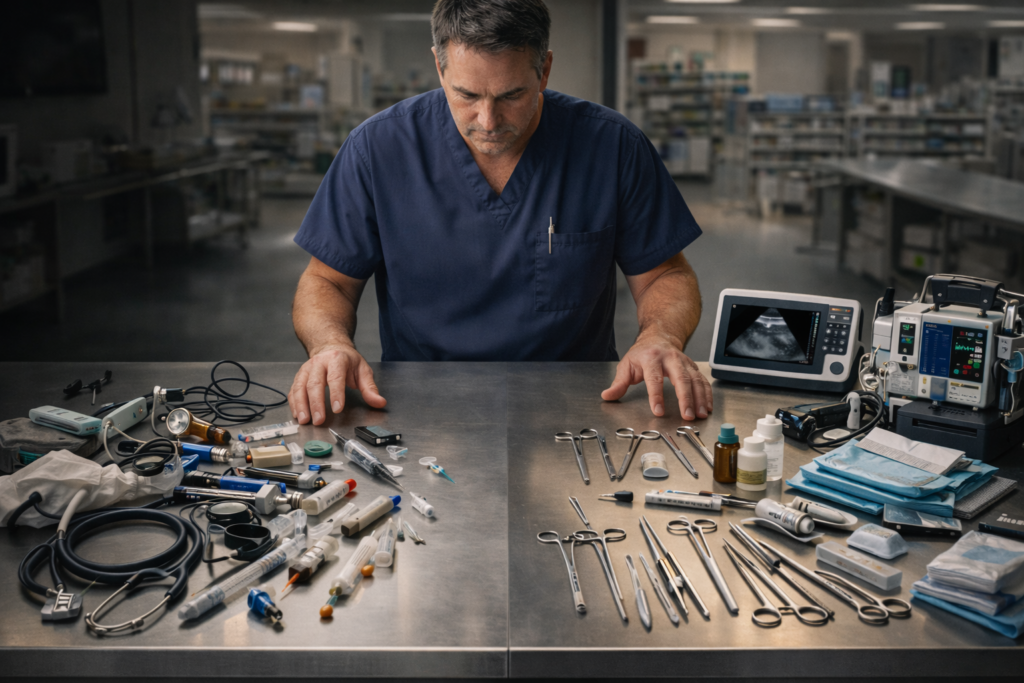
Navigating the 2026 Veterinary Landscape
The landscape of veterinary medicine is in constant flux, driven by rapid technological advancements, evolving client expectations, and increasingly complex patient needs. As we look toward 2026, veterinarians face the dual challenge of providing exceptional animal care while navigating a competitive and evolving market. Central to this mission is the strategic selection and implementation of veterinary equipment. Whether operating a state-of-the-art veterinary clinic or a mobile farm practice, the right tools are not merely operational necessities; they are critical investments that directly impact diagnostic accuracy, treatment efficacy, operational efficiency, client satisfaction, and ultimately, the long-term success of the practice. This comprehensive checklist is designed to serve as an authoritative guide, empowering veterinarians and practice managers to make informed decisions about their equipment needs for the coming year. By understanding the core essentials, embracing innovations, and planning strategically, practices can ensure they are well-equipped to deliver the highest standard of care to every animal patient.
The Evolving Needs of Modern Veterinary Care (Clinics & Farms)
 While both aim for excellent care, the equipment priorities for clinics and farm vets diverge significantly, balancing integrated technology against field-ready durability.
The practice of veterinary medicine in 2026 is characterized by a confluence of transformative forces. Advanced medical knowledge, coupled with sophisticated technology, allows veterinarians to offer a wider range of diagnostic and therapeutic services than ever before. Clients increasingly expect this level of advanced care for their beloved pets and valuable livestock, approaching their veterinary provider with expectations shaped by human healthcare’s progress. This demand necessitates a continuous reassessment of the equipment that underpins daily operations.
For veterinary clinics, the trend is towards specialization and integration. Practices are investing in cutting-edge diagnostic imaging, advanced surgical suites, and comprehensive rehabilitation services. The client experience is also paramount, leading to investments in comfortable waiting areas, efficient client communication systems, and the technology to support telemedicine.
Simultaneously, farm and mobile veterinary practices face unique challenges. The need for portability, durability, and robust performance in diverse environments is crucial. Veterinarians working in the field require equipment that can reliably perform diagnostics and treatments away from the fixed infrastructure of a clinic. Large animal handling, herd health management, and stringent biosecurity protocols further shape their equipment requirements. The year 2026 will see these diverging yet interconnected needs become even more pronounced, underscoring the importance of a tailored equipment strategy for every type of veterinary practice.
Why a 2026-Specific Checklist is Crucial for Veterinarians
Relying on outdated equipment checklists or generalized recommendations can lead to significant operational inefficiencies, missed diagnostic opportunities, and ultimately, compromised patient care. The veterinary field is not static; it evolves year on year. A 2026-specific checklist is crucial for several compelling reasons:
Firstly, technological advancements are accelerating. New machines offer greater precision, faster results, and less invasive procedures. For instance, advancements in ultrasound technology in 2026 offer higher resolution and portability, impacting diagnostic capabilities significantly. Similarly, improvements in anesthetic machines and patient monitoring systems enhance surgical safety.
Secondly, client expectations continue to rise. Clients are more informed and expect access to the same level of advanced diagnostics and treatments available in human medicine. A practice equipped with 2026-relevant technology can better meet these expectations, fostering client loyalty and confidence.
Thirdly, emerging health trends and diseases may require specialized diagnostic or treatment equipment. Staying abreast of these developments ensures a practice is prepared to handle new challenges effectively.
Fourthly, efficiency and workflow optimization are key to profitability and sustainability. Modern equipment is often designed for faster operation, easier maintenance, and better integration with practice management software, streamlining daily tasks for veterinarians and staff.
Finally, regulatory compliance and safety standards are continuously updated. Having the latest, compliant equipment ensures practices operate legally and safely, protecting both staff and patients from unnecessary risks. A 2026 checklist helps ensure all necessary updates and upgrades are considered, moving beyond a simple inventory to a strategic assessment of future needs.
How to Use This Guide: Strategic Investment for Quality Animal Care
This guide is structured not merely as a list of items, but as a strategic framework for making informed investment decisions in veterinary equipment. To maximize its utility, veterinarians and practice managers should approach it with a clear understanding of their specific practice needs, patient demographics, and long-term goals.
Begin by assessing your current inventory against the foundational essentials. Identify any gaps or areas where equipment is nearing the end of its lifespan or is no longer meeting performance standards. Then, carefully consider the specialized sections relevant to your practice type – whether a dedicated veterinary clinic or a mobile farm services provider.
When evaluating new machines or supplies, look beyond the initial purchase price. Consider the total cost of ownership, including maintenance, calibration, training, and potential upgrades. Evaluate the return on investment (ROI) not just in financial terms, but in terms of improved patient care, increased diagnostic accuracy, enhanced staff productivity, and greater client satisfaction.
For new practices, this guide provides a roadmap to building a robust foundation. For established practices, it serves as a critical tool for identifying areas for upgrade and innovation to remain competitive. Prioritize equipment that offers versatility, reliability, and a clear benefit to your patients and clients. Remember, strategic investment in high-quality veterinary equipment is an investment in the future of your practice and the quality of care you provide.
Foundational Equipment: Core Essentials for All Veterinary Practices
Every veterinary practice, regardless of size or specialization, relies on a core set of foundational equipment to deliver essential animal care. These are the indispensable tools that form the bedrock of daily operations, from routine examinations to initial diagnostic workups and basic surgical interventions. Investing in reliable, high-quality versions of these essentials is paramount for efficient and effective veterinary services.
Basic Examination & Diagnostic Tools
Accurate diagnostics begin with fundamental tools that allow veterinarians to conduct thorough physical examinations and gather preliminary data about their patients.
- Stethoscopes (Veterinary-Specific): Essential for listening to heart, lung, and abdominal sounds. Veterinary-specific models offer dual-head designs for different animal sizes and frequencies.
- Thermometers: Digital or infrared ear thermometers provide rapid and accurate temperature readings.
- Ophthalmoscopes and Auriscopes: Crucial for examining the eyes and ears, respectively. High-quality lighting is key for visibility.
- Pen Torches and Hand Lenses: For detailed visual inspection of skin, mucous membranes, and minor lesions.
- Weighing Scales: A range of scales is necessary, from small digital scales for Pets and puppies to larger floor scales for adult dogs and cats, and even specialized scales for large animals if applicable.
- Basic Blood Pressure Monitors (Sphygmomanometers): Non-invasive blood pressure monitoring is vital for assessing cardiovascular health, especially in older or critical patients.
- Refractometers: Used to measure the concentration of protein in urine and blood, providing quick insights into hydration and kidney function.
- Microscopes: A good quality compound microscope is essential for examining blood smears, urine sediment, fecal samples, and other biological specimens. Paired with appropriate stains and slides, it’s a cornerstone of in-house diagnostics.
- Centrifuges: Necessary for separating blood components or concentrating urine/fecal samples for microscopic examination. Benchtop models are standard for most clinics.
- Diagnostic Tympanometers: For assessing middle ear health and function.
General Surgical & Treatment Instruments
A well-equipped surgical suite, even a basic one, requires a comprehensive set of instruments for performing a variety of procedures safely and effectively.
- Scalpels and Blades: A selection of handles and disposable blades for incisions.
- Forceps: Various types, including tissue forceps (Adson, DeBakey), hemostatic forceps (Kelly, Crile, Mosquito), and towel forceps, are needed for grasping, retracting, and controlling bleeding.
- Scissors: Surgical scissors (Metzenbaum, Mayo), suture scissors, and bandage scissors are essential.
- Retractors: Self-retaining (e.g., Gelpi, Finochietto) and manual retractors are used to expose the surgical field.
- Needle Holders (Hemas, Olsen-Hego): For grasping and manipulating surgical needles during suturing.
- Surgical Drains and Suction Devices: For managing fluid accumulation post-operatively.
- Basic Wound Management Supplies: Bandages, gauze, antiseptic solutions, and wound cleaning supplies.
- Orthopedic Instruments (Basic): For simple fracture repairs or orthopedic procedures, such as bone saws, rongeurs, and retractors.
- Castration Rings and Applicators: For common procedures in livestock and certain pets.
Sterilization & Sanitation Systems
Maintaining a sterile environment is non-negotiable in veterinary medicine to prevent infections and ensure patient safety. Robust sterilization and sanitation systems are critical investments.
- Autoclaves: High-quality autoclaves are essential for sterilizing surgical instruments, drapes, and other reusable items. Various sizes are available, from small tabletop units to larger chamber models, with digital controls offering greater precision and validation capabilities. Regular maintenance and cycle monitoring are crucial.
- Ultrasonic Cleaners: These machines effectively remove debris from intricate instruments before sterilization, significantly improving the efficacy of the autoclave.
- Instrument Washer-Disinfectors: Automate the cleaning and disinfection process, reducing manual labor and ensuring consistent results.
- Disinfectants and Antiseptics: A range of veterinary-grade disinfectants for surfaces and instruments, and antiseptics for wound preparation.
- Personal Protective Equipment (PPE): Gloves, masks, gowns, and eye protection for all staff involved in patient care and surgical procedures.
- Sharps Disposal Containers: For safe disposal of needles, scalpels, and other sharps.
Patient Care & Comfort Essentials
Ensuring the comfort and well-being of patients during their stay or treatment is vital for recovery and client perception.
- Examination/Procedure Tables: Sturdy, adjustable tables are necessary. Hydraulic or electric lift tables are highly recommended to reduce strain on veterinarians and staff, especially when handling larger animals. Stainless steel surfaces are ideal for hygiene.
- Warming Units/Heating Pads: To maintain patient body temperature, crucial for recovery from anesthesia or for neonates.
- Intravenous (IV) Fluid Pumps: Accurate delivery of IV fluids and medications is critical for patient management. Basic infusion pumps are standard.
- Oxygen Cages/Tents: For providing supplemental oxygen to critically ill or respiratory-compromised patients.
- Cages and Kennels: A range of sizes and types, including secure kennels for recovery, isolation wards, and comfortable enclosures for longer stays. Ensure adequate ventilation and easy-to-clean surfaces.
- Bathing and Grooming Stations: Equipped with tubs, sprayers, and professional grooming tools for hygiene and pre-surgical preparation.
- Muzzles and Restraint Devices: For safe handling during examinations and procedures.
Equipping the Modern Veterinary Clinic: 2026 Innovations
The modern veterinary clinic is a hub of advanced medical services, integrating cutting-edge technology to provide comprehensive care. For 2026, the focus is on enhancing diagnostic capabilities, refining surgical precision, expanding dental services, and ensuring optimal patient monitoring and recovery. These machines and supplies represent significant investment opportunities that can elevate the standard of care and practice efficiency.
Advanced Diagnostics & Imaging
Accurate and timely diagnostics are the cornerstone of effective veterinary care. In 2026, digital imaging and advanced analytical machines are indispensable for thorough patient assessment.
- Digital Radiography (DR) Systems: High-resolution digital X-ray units offer superior image quality, reduced radiation exposure for staff and patients, and immediate image acquisition. Portable options are also becoming more common for specialized imaging needs within the clinic.
- Ultrasound Machines: Advanced ultrasound units with multiple transducers provide detailed real-time imaging for abdominal, cardiac, and musculoskeletal assessments. Doppler capabilities are standard, and 3D/4D imaging is becoming more accessible for specific applications. Portable and high-resolution ultrasound devices are key for efficient workflows.
- Computed Tomography (CT) Scanners: For practices that offer advanced imaging, CT scanners provide highly detailed cross-sectional views, invaluable for diagnosing complex conditions, particularly in neurological and orthopedic cases. Often found in larger referral centers.
- Magnetic Resonance Imaging (MRI): Similar to CT, MRI is typically available at specialty referral centers, offering unparalleled soft tissue contrast for diagnosing neurological and soft tissue abnormalities.
- Endoscopy Equipment: Flexible and rigid endoscopes allow for minimally invasive visualization of the gastrointestinal tract, respiratory system, and joints, enabling biopsy and foreign body removal.
- Digital Cytology and Histopathology Equipment: Advanced microscopes, slide scanners, and access to telepathology services can improve turnaround times and accuracy for tissue and cell analysis.
- In-House Laboratory Analyzers:
- Hematology Analyzers: Automated machines for complete blood counts (CBCs), providing rapid and accurate red blood cell, white blood cell, and platelet counts.
- Chemistry Analyzers: For evaluating organ function (liver, kidneys), electrolytes, glucose, and other metabolic parameters. Point-of-care analyzers offer near-instant results.
- Coagulation Analyzers: To assess blood clotting times, crucial for pre-surgical assessment and management of bleeding disorders.
- Urinalysis Analyzers: Automated readers for urine dipsticks and sediment analysis.
- Electrocardiography (ECG) Machines: For monitoring heart rhythm and diagnosing cardiac arrhythmias.
State-of-the-Art Surgical & Anesthesia Suites
The surgical environment demands precision, safety, and efficiency. Advanced machines and refined supplies in 2026 significantly enhance outcomes for surgical patients.
- Advanced Anesthetic Machines: Equipped with precise vaporizers, scavenger systems (waste gas management), and safety interlocks. Models that integrate with patient monitors are increasingly common.
- Comprehensive Patient Monitors: Essential for real-time tracking of vital signs. Look for units that monitor ECG, heart rate, respiration rate, blood oxygen saturation (SpO2), end-tidal carbon dioxide (EtCO2), non-invasive blood pressure (NIBP), and core body temperature. Alarms and data logging capabilities are crucial.
- Electrocautery Units: For precise cutting and coagulation of tissue during surgery, minimizing bleeding. Bipolar and monopolar options are standard.
- Surgical Lighting: High-intensity, adjustable LED surgical lighting provides excellent visibility of the surgical field, with minimal heat output. Ceiling-mounted and mobile units are available.
- Surgical Instrument Sets: Specialized sets for orthopedic, soft tissue, ophthalmic, and neurosurgery. High-quality stainless steel instruments are a long-term investment.
- Sterile Drapes and Gowns: Disposable or high-quality reusable drapes and gowns are critical for maintaining aseptic technique.
- Surgical Loupes and Headlamps: For enhanced magnification and lighting during delicate procedures.
- Laparoscopic and Arthroscopic Equipment: Minimally invasive surgical tools for procedures with smaller incisions, faster recovery, and reduced pain.
- Ventilators: Essential for assisting or controlling breathing during general anesthesia, especially for prolonged or complex procedures.
Comprehensive Dental Care Equipment
The growing recognition of dental health’s impact on overall animal well-being means specialized dental services are a key area for veterinary clinics.
- Dental Units: Integrated units that provide compressed air, water, and suction for dental procedures, often including a high-speed handpiece.
- Ultrasonic Scalers and Polishers: For removing plaque and tartar and smoothing tooth surfaces.
- Dental X-ray Units: High-frequency, direct-digital dental X-ray machines provide detailed images of tooth roots and surrounding bone, crucial for diagnosing dental disease.
- Dental Extraction Instruments: Specialized tools for safe and effective tooth extraction.
- Periodontal Probes and Explorers: For assessing gum health and identifying pockets.
- Intraoral Cameras: For client education and detailed visualization of oral conditions.
- Dental Lasers: For soft tissue procedures and pain management within the oral cavity.
- **Professional Dental Cleaning Supplies: Prophy angles, polishing cups, and dental pastes.
Patient Monitoring & Recovery Technology
Post-operative care and the management of critical patients benefit immensely from advanced monitoring and therapeutic technologies.
- Advanced ICU Monitoring Systems: Integrated systems that continuously monitor multiple vital signs, with sophisticated alarm capabilities and data trending.
- Infusion Pumps (High-Precision): For precise administration of medications, fluids, and nutritional support, particularly critical for neonates and unstable patients. Syringe pumps and volumetric pumps offer different functionalities.
- Ventilators (Critical Care): Advanced ventilators for long-term respiratory support in intensive care units.
- Therapeutic Laser Devices (Cold Laser Therapy): Used for pain management, reducing inflammation, and promoting tissue healing. Various protocols can be applied for different conditions.
- Nebulizers and Oxygen Concentrators: For delivering respiratory medications directly to the lungs or providing supplemental oxygen.
- Rehabilitation Equipment: Treadmills (aquatic and dry), therapeutic exercise balls, and passive range of motion devices for post-surgical or injury rehabilitation.
- Nutritional Support Equipment: Feeding tubes, specialized syringes, and potentially specialized enteral pumps.
 The core forces shaping today’s veterinary practice: technological innovation, rising client expectations, and more complex animal health cases all drive the need for strategic equipment planning.
Clinic-Specific Patient Housing & Management
The physical environment of a veterinary clinic directly impacts patient comfort, safety, and recovery.
- Climate-Controlled Kennels: Individualized temperature and humidity control for optimal patient comfort, especially for critical or sensitive patients.
- Specialized Recovery Cages: Designed for easy cleaning, good visibility, and controlled environments for patients recovering from anesthesia or intensive treatment.
- Built-in Sanitation Systems: For larger clinics, integrated waste management and disinfection systems can improve efficiency and biosecurity.
- Enrichment Tools: Safe toys and puzzles to provide mental stimulation for hospitalized animals, contributing to their well-being.
- Secure Access Control: For isolation wards or sensitive areas, ensuring only authorized personnel can enter.
- Ergonomic Staff Workstations: Designed for efficient workflow, easy cleaning, and staff comfort within the ward environment.
Essential Equipment for Farm & Mobile Veterinary Practice: 2026 Edition
Farm and mobile veterinary practices require a distinct set of equipment tailored for fieldwork, large animal handling, and on-site diagnostics and surgical interventions. Durability, portability, and reliability are paramount. The 2026 edition emphasizes advancements in portable diagnostics, robust handling gear, and efficient biosecurity measures to ensure quality care is delivered wherever it’s needed.
Portable Diagnostic & Imaging Solutions
Delivering advanced diagnostics away from the clinic demands compact and rugged machines.
- Portable Ultrasound Machines: Handheld or compact veterinary ultrasound units are essential for on-farm reproductive checks, tendon/ligament evaluations, and basic abdominal assessments. Look for models with durable casings and long battery life.
- Portable Digital X-ray Units: Lightweight, battery-powered X-ray generators and detectors allow for radiographic imaging of large animals on-site. Essential for lameness exams and diagnosing bone fractures.
- Portable Centrifuges: Compact centrifuges for basic blood work analysis in the field.
- Refractometers: For quick assessment of urine specific gravity and serum total protein, vital for monitoring hydration and nutritional status in herds.
- Diagnostic Kits: Portable kits for common field tests, such as milk culture swabs, mastitis testing kits, and fecal egg count kits.
- Stethoscopes and Thermometers: Essential basic tools, ensuring veterinary-grade quality for accurate readings.
- Portable Blood Pressure Monitors: Compact units for assessing hemodynamic status in large animals.
Field Surgical & Treatment Kits
On-site surgical and treatment capabilities require well-organized, portable kits.
- Collapsible Surgical Kits: Pre-assembled kits containing essential instruments (scalpels, forceps, scissors, retractors), sterile drapes, and sutures for common procedures like wound repair, castration, and simple mass removals.
- Wound Care Supplies: A comprehensive selection of bandages, antiseptic solutions, wound irrigants, and topical medications.
- Suture Material and Needles: A variety of absorbable and non-absorable sutures suitable for large animal skin and tissue.
- Local Anesthesia Supplies: Syringes, needles, and local anesthetic agents for regional blocks or infiltration anesthesia.
- Basic Anesthesia Delivery Systems (Portable): Compact anesthetic machines or gas delivery systems for procedures requiring sedation or general anesthesia in the field. This requires careful consideration of safety and monitoring.
- **Fluid Therapy Supplies: IV catheters, extension sets, IV bags, and fluid pumps for administering intravenous fluids.
- Wound Closure Devices: Staple removers, skin adhesives, and wound closure strips as adjuncts to sutures.
Large Animal Handling & Safety
Safe and effective handling of large animals is paramount for the veterinarians and the patients. Specialized equipment is crucial to prevent injury.
- Chutes and Headgates: Essential for safely restraining cattle and horses for examination, vaccination, or minor procedures. Hydraulic and manual options are available.
- Squeeze Chutes: Provide secure restraint for individual animals, preventing movement and allowing for safe procedures.
- Specialized Restraint Devices: Including twitch, lip chain, casting ropes, and stocks, used judiciously to manage fractious or large animals.
- Calving Ropes and Obstetrical Chains: For assisting with difficult births.
- Large Animal Scales: Portable scales that can be placed under chutes or weighbridges for accurate herd weight management.
- Livestock Halters and Leads: Durable and appropriate sizes for different species.
- Emergency Rescue Equipment: Ramps, slings, or winches for assisting animals that have fallen or are trapped.
Herd Health & Prevention Tools
Focusing on preventative care and herd health requires specific equipment for mass treatment and monitoring.
- Vaccination Equipment: Multi-dose syringes, sterile needles of various gauges and lengths, and sterile syringes for administering vaccines to multiple animals efficiently.
- Deworming Applicators: Specialized equipment for administering oral dewormers or pour-on treatments.
- Artificial Insemination (AI) Equipment: For breeding programs, including AI guns, sheaths, artificial vaginas, and thaw units.
- Pregnancy Detection Tools: For cattle and other livestock, including ultrasound probes for transrectal or transabdominal use, and palpation aids.
- Milk Collection and Testing Equipment: For mastitis screening and milk quality monitoring.
- Temperature Monitoring Devices: Long-probe thermometers for rectal temperature readings in large animals.
- Drenching Guns: For administering oral medications to livestock.
Biosecurity & Sanitation for Fieldwork
Preventing the spread of disease is critical in farm settings. Robust biosecurity measures and sanitation supplies are vital for mobile practitioners.
- Portable Wash Stations: Self-contained units with water and soap for handwashing and equipment cleaning between farms.
- Field-Grade Disinfectants: Concentrated disinfectants that are effective against a broad spectrum of pathogens and suitable for use in varied environmental conditions.
- Foot Baths and Entry Mats: To disinfect boots and equipment before entering or leaving a farm.
- Biosecurity Signage: Clear signs for farms to indicate biosecurity protocols.
- Disposable PPE: Gowns, boot covers, and gloves to prevent cross-contamination between animals and farms.
- Disinfection Sprayers: Backpack or portable sprayers for thorough disinfection of vehicles and equipment.
- Waste Disposal Bags and Containers: For the safe and compliant disposal of contaminated materials.
Operational Efficiency & Administrative Hub: Streamlining Your Practice
Beyond the clinical equipment, the smooth operation of a veterinary clinic or farm practice hinges on efficient administrative systems and effective client engagement. In 2026, digital integration, streamlined communication, and meticulous inventory management are key to maximizing productivity and profitability. These operational tools are as critical as any diagnostic machine.
Practice Management Software & Digital Integration
Robust veterinary practice management software (PIMS) is the central nervous system of any modern practice.
- Cloud-Based PIMS: Offers accessibility from any device, automatic updates, and enhanced data security. Key features include electronic medical records (EMRs), appointment scheduling, client communication, billing, and reporting.
- Digital Appointment Scheduling & Reminders: Online booking portals and automated appointment reminders (SMS, email) reduce no-shows and administrative burden.
- Client Portals: Secure platforms for clients to access patient records, request refills, view invoices, and communicate with the practice.
- Telemedicine Platforms: Integrated or standalone platforms for virtual consultations, remote monitoring, and client education, expanding service offerings.
- Digital Payment Processing: Secure and convenient options for clients to pay for services and supplies.
- Data Analytics & Reporting Tools: PIMS should provide insights into practice performance, financial metrics, and patient demographics to inform strategic decisions.
Communication & Client Engagement
Effective communication builds strong relationships with clients and enhances their experience with your services.
- Integrated Communication Systems: Tools that link phone calls, emails, SMS, and portal messages to client records within the PIMS.
- Client Education Materials: Digital libraries of articles, videos, and infographics on common animal health topics, preventive care, and post-treatment instructions.
- Recall Systems: Automated reminders for vaccinations, parasite prevention, and follow-up appointments.
- Feedback Mechanisms: Surveys and review platforms to gather client feedback and identify areas for improvement.
- Professional Website & Social Media Presence: Essential for information dissemination, marketing, and client engagement.
Pharmacy & Inventory Management
Efficient management of veterinary pharmaceuticals and supplies is crucial for both patient safety and financial health.
- Digital Inventory Tracking Systems: Integrated with PIMS, these systems track stock levels, expiration dates, and reorder points for all medications and supplies. Barcode scanning can automate this process.
- Secure Medication Storage: Controlled environments for pharmaceuticals, including refrigerated units and locked cabinets, complying with regulatory requirements.
- Dispensing Equipment: Accurate scales, counting devices, and labeling machines for preparing prescription medications.
- Automated Reordering: Systems that flag low stock and generate purchase orders, often integrating directly with veterinary suppliers.
- Controlled Substance Management: Robust protocols and software for tracking controlled medications, ensuring compliance with DEA regulations.
- Waste Management Protocols: For safe disposal of expired medications and biohazardous supplies.
Future-Proofing Your Investment: Strategic Planning for 2026 & Beyond
The dynamic nature of veterinary medicine necessitates a forward-thinking approach to equipment acquisition. Beyond meeting immediate needs, practices must consider long-term viability, adaptability, and the integration of emerging technologies. Strategic planning ensures that investments in veterinary equipment continue to deliver value and competitive advantage for years to come.
Embracing Emerging Technologies & Advanced Veterinary Equipment
The future of veterinary medicine will be shaped by innovation. Staying ahead means understanding and selectively adopting new technologies.
- Artificial Intelligence (AI) in Diagnostics: AI-powered software can assist in analyzing diagnostic images (radiographs, ultrasounds), identifying potential abnormalities and improving diagnostic accuracy and speed.
- Robotic Surgery: While still in its early stages for veterinary medicine, robotic-assisted surgery offers enhanced precision and minimally invasive options for complex procedures.
- Advanced Telemedicine and Remote Monitoring: Wearable sensors for patients and sophisticated remote monitoring platforms will allow veterinarians to track patient health continuously, extending care beyond the clinic walls.
- Point-of-Care Diagnostics: Further miniaturization and automation of diagnostic tests will enable more comprehensive analyses to be performed rapidly within the practice, speeding up treatment decisions.
- 3D Printing: Applications for custom surgical implants, prosthetics, and anatomical models for pre-surgical planning are emerging.
- CRISPR and Gene Therapy Applications: While still largely in research, these advancements could eventually influence veterinary care, requiring new diagnostic or monitoring equipment.
Sustainability & Scalability Considerations
Environmental responsibility and the ability to grow are increasingly important factors in business operations.
- Energy-Efficient Equipment: Opting for machines with lower energy consumption (e.g., LED lighting, energy-star rated appliances) reduces operational costs and environmental impact.
- Modular and Upgradeable Equipment: Choosing systems that can be upgraded with new software or hardware components reduces the need for complete replacements as technology evolves.
- Sustainable Supplies: Prioritizing recyclable or biodegradable supplies where feasible, such as certain types of bandages or cleaning materials.
- Waste Reduction Technologies: Implementing systems for efficient waste management and recycling within the clinic.
- Scalable Infrastructure: Designing clinic layouts and selecting equipment that can accommodate practice growth and increased patient volume. Modular examination rooms or the ability to expand diagnostic suites are examples.
Budgeting, Financing & Return on Investment (ROI)
Strategic investment requires careful financial planning and a clear understanding of ROI.
- Total Cost of Ownership (TCO): Beyond the initial purchase price, factor in maintenance contracts, service fees, calibration costs, consumables, and potential upgrade expenses over the equipment’s lifespan.
- Leasing vs. Purchasing: Evaluate the financial implications of leasing equipment (lower upfront cost, predictable payments) versus purchasing outright (ownership, potential tax benefits).
- Financing Options: Explore loans, lines of credit, and specialized veterinary equipment financing programs.
- Calculating ROI: Quantify the benefits of new equipment. This can include increased patient throughput, improved diagnostic accuracy leading to higher treatment success rates, enhanced client retention due to better services, reduced staff time spent on manual tasks, and the ability to attract new clients with advanced capabilities.
- Budget Allocation: Prioritize investments based on their impact on core services, patient outcomes, and practice profitability.
Safety, Compliance & Risk Management
Ensuring a safe, legally compliant, and secure practice environment is as critical as the clinical equipment itself. Robust safety protocols, adherence to regulations, and adequate insurance coverage protect veterinarians, staff, patients, and the practice’s assets.
Staff & Patient Safety Protocols
The well-being of everyone in the practice is paramount.
- Ergonomic Equipment: Investing in equipment that reduces physical strain, such as hydraulic lift tables, adjustable workstations, and anti-fatigue mats.
- Safety Guards and Interlocks: Ensuring all machines have appropriate safety features in place, and staff are trained on their use.
- Clear Operating Procedures: Documented protocols for the safe operation of all veterinary equipment, including emergency shutdown procedures.
- Emergency Preparedness: Training staff on emergency response, including fire safety, chemical spills, and patient escape protocols. Secure handling of controlled substances is a critical aspect of this.
- Radiation Safety: For practices utilizing X-ray machines, strict adherence to radiation safety guidelines, including lead shielding, dosimeters for staff, and regular equipment checks.
Regulatory Compliance & Licensing
Operating a veterinary practice requires adherence to numerous federal, state, and local regulations.
- Veterinary Board Regulations: Compliance with licensing requirements, practice acts, and standards of care set by veterinary medical boards.
- Drug Enforcement Administration (DEA) Regulations: Strict protocols for the procurement, storage, dispensing, and record-keeping of controlled substances.
- Waste Disposal Regulations: Proper handling and disposal of biohazardous waste, pharmaceutical waste, and sharps, adhering to environmental protection agency (EPA) guidelines.
- OSHA Standards: Compliance with Occupational Safety and Health Administration regulations regarding workplace safety, hazard communication, and employee training.
- Zoning and Building Codes: Ensuring the clinic facility meets all local building and zoning requirements.
Comprehensive Insurance & Proper Risk Protection
Adequate insurance coverage is essential to mitigate financial risks associated with unexpected events.
- Professional Liability Insurance (Malpractice): Protects veterinarians and the practice against claims of negligence or errors in professional judgment related to animal care and treatment.
- General Liability Insurance: Covers claims arising from accidents on the practice premises, such as slip-and-fall injuries to clients or vendors.
- Property Insurance: Protects the physical assets of the practice, including the building, equipment, supplies, and inventory, against damage from fire, theft, or natural disasters.
- Equipment Insurance: Specific coverage for expensive diagnostic and surgical machines, ensuring replacement or repair costs are covered in case of breakdown or damage.
- Workers’ Compensation Insurance: Covers medical expenses and lost wages for employees injured on the job.
- Understanding Warranties and Service Agreements: Ensure all significant equipment purchases come with clear manufacturer warranties and consider extended service agreements for critical machines to ensure timely repairs and minimize downtime.
Final Thoughts
Navigating the complex and rapidly evolving world of veterinary medicine requires a strategic and informed approach to equipment acquisition. For 2026, the demands on veterinarians and their practices – whether a dedicated veterinary clinic or a mobile farm operation – are higher than ever. This guide has outlined the essential veterinary equipment categories, from foundational diagnostics and surgical supplies to advanced ultrasound machines, sophisticated autoclaves, and vital patient monitoring systems.
The key takeaway is that equipment is not merely a collection of machines; it represents a critical investment in the quality of animal care, operational efficiency, and the long-term success of the practice. By embracing the innovations of 2026, prioritizing patient and staff safety, adhering to regulatory requirements, and meticulously managing administrative functions, veterinarians can build resilient and high-performing practices.
Looking ahead, the trend towards integrated diagnostics, minimally invasive surgery, enhanced client engagement, and the increasing adoption of digital and AI-driven technologies will continue to shape the veterinary landscape. Practices that proactively plan, invest wisely in future-proof equipment, and adapt to these changes will be best positioned to thrive. We encourage veterinarians and practice managers to use this checklist not as a static inventory, but as a dynamic tool for strategic planning, empowering them to deliver exceptional care and build stronger relationships with their clients and patients in 2026 and beyond. The commitment to acquiring the right veterinary equipment is a commitment to excellence.