
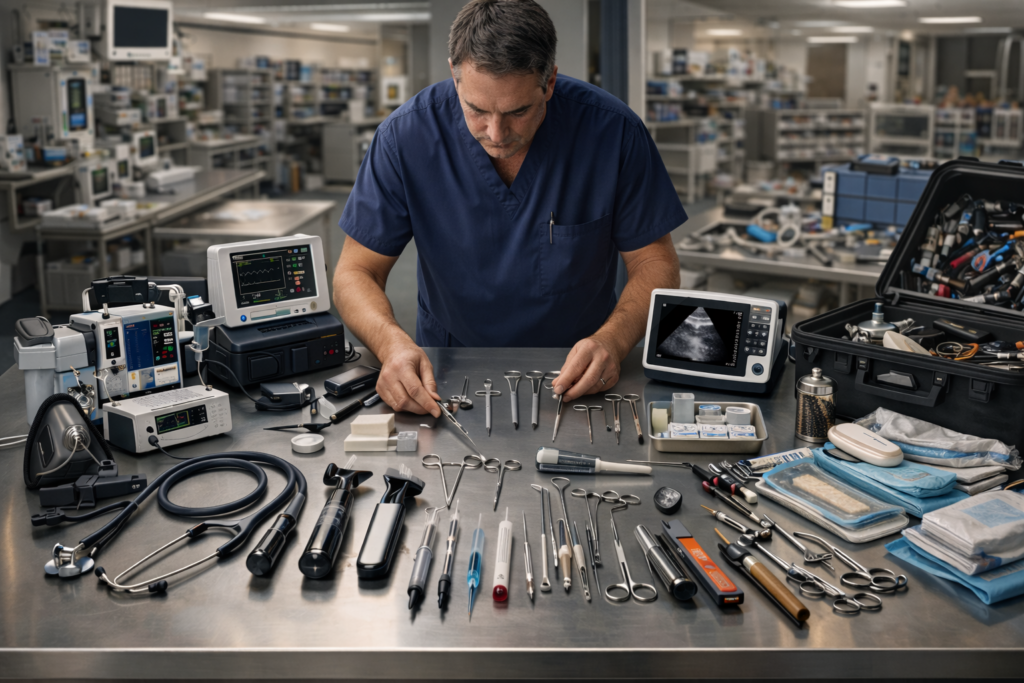
The Foundation of Modern Veterinary Care
In the rapidly evolving landscape of animal healthcare, the quality and diversity of veterinary tools are paramount. Modern veterinary practice demands a sophisticated arsenal of equipment, ranging from precise diagnostic instruments to advanced surgical apparatus, each playing a critical role in ensuring optimal patient outcomes. This comprehensive guide delves into the essential veterinary tools, exploring their various types, practical uses, and the indispensable role they play in delivering exceptional care. We will examine how these tools function individually and, crucially, how they work together to create a seamless workflow from initial diagnosis to successful treatment and recovery, positioning this resource as a definitive guide for veterinarians, clinic owners, and veterinary professionals seeking to understand and equip their practices for excellence.
The Critical Role of Comprehensive Equipment in Modern Veterinary Practice
 A typical veterinary workflow, showcasing how different tools are used sequentially from initial diagnosis through treatment and recovery to ensure comprehensive patient care.
The caliber of veterinary care directly correlates with the sophistication and appropriateness of the equipment available. Beyond mere necessity, veterinary tools represent a crucial investment in accuracy, efficiency, patient safety, and ultimately, client satisfaction. High-quality, well-maintained equipment minimizes diagnostic errors, enhances the efficacy of treatments, and streamlines daily operations, allowing veterinary professionals to focus on their patients. This comprehensive selection of tools, from basic diagnostic aids to advanced surgical suites, forms the backbone of a thriving practice, enabling veterinarians to tackle a wide spectrum of medical conditions with confidence and precision. Investing in the right equipment is not an expense; it is a foundational strategy for long-term success and the delivery of superior animal welfare.
What This Guide Covers: A Deep Dive into Essential Tools, Their Types, and Practical Uses
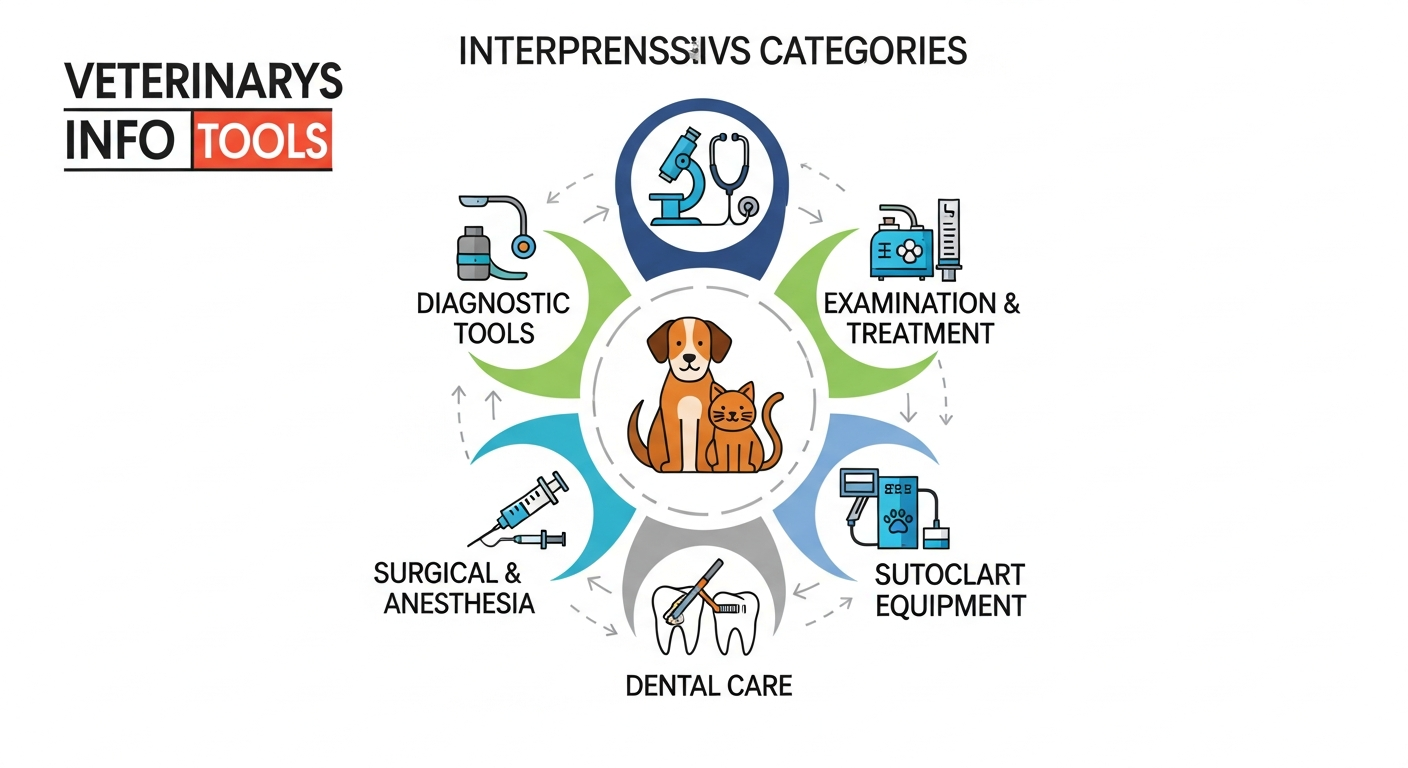 The five core categories of veterinary equipment form an integrated system for comprehensive animal healthcare, from diagnosis to operational support.
This guide offers an in-depth exploration of the multifaceted world of veterinary equipment. We will systematically categorize and detail the essential tools veterinarians rely on daily. Our journey begins with diagnostic equipment, investigating how various types offer critical insights into patient health. We will then move to the vital examination and treatment room essentials, followed by the precision-focused domain of surgical and anesthesia equipment. The specialized area of dental care will be addressed, and finally, we will cover the indispensable support equipment that ensures the smooth and safe operation of any veterinary facility. Throughout this guide, we will provide practical examples and highlight how these tools integrate to enhance the overall quality of care and practice efficiency.
Diagnostic Tools: Unveiling the “Why” Behind the “What”
Diagnostic tools are the cornerstone of veterinary medicine, enabling practitioners to identify the root cause of an animal’s ailment. These instruments provide crucial objective information, guiding subsequent treatment decisions and offering clarity on a patient’s condition. Without accurate diagnostics, treatment is often empirical, leading to potential delays, ineffective therapies, and increased patient suffering. The intelligent application of diagnostic equipment allows veterinarians to move from symptom observation to definitive diagnosis efficiently.
Imaging Equipment: Seeing Beyond the Surface for Accurate Diagnosis
Imaging equipment provides a non-invasive window into the internal structures of an animal’s body, essential for diagnosing a vast array of conditions that are not apparent through physical examination alone. These technologies allow visualization of bones, soft tissues, organs, and fluid accumulations, offering critical insights for diagnosis, treatment planning, and monitoring. The types of imaging equipment available continue to expand, offering veterinarians increasingly powerful tools.
Digital radiography (X-ray) remains a fundamental imaging modality. It is indispensable for examining skeletal structures, detecting fractures, identifying foreign bodies, and assessing the lungs and heart. Digital systems offer advantages over older film-based methods, providing faster image acquisition, easier manipulation of contrast and brightness for optimal clarity, and immediate digital archiving. Portable X-ray units are invaluable for examining larger animals or those unable to be moved easily.
Ultrasound, or sonography, is a non-ionizing imaging technique that uses sound waves to create real-time images of soft tissues and organs. It is particularly useful for evaluating abdominal organs like the liver, kidneys, spleen, and intestines, as well as for cardiac assessments and pregnancy diagnosis. Different transducer types are used depending on the area of interest and the size of the patient, allowing for detailed visualization of organ parenchyma, vasculature, and even subtle pathological changes. The information derived from ultrasound is critical for understanding the condition of internal structures.
More advanced imaging modalities include Computed Tomography (CT) and Magnetic Resonance Imaging (MRI). CT scanners use X-rays to create cross-sectional images, providing detailed anatomical views that are superior to conventional radiography for assessing complex bone structures, the head, and the chest. MRI uses magnetic fields and radio waves to generate highly detailed images of soft tissues, making it invaluable for neurological and orthopedic evaluations, especially for soft tissue lesions or spinal cord abnormalities. While not universally available in all practices due to cost and complexity, these advanced types of imaging are revolutionizing diagnostics for specialized cases.
Laboratory Equipment: Precision Analysis for Informed Medical Decisions
Laboratory equipment is vital for analyzing biological samples such as blood, urine, feces, and tissue biopsies. These analyses provide quantitative information on organ function, detect infections, identify metabolic abnormalities, and monitor treatment effectiveness. The speed and accuracy of in-house laboratory diagnostics significantly impact patient care, allowing for prompt decision-making.
Hematology analyzers are used to perform complete blood counts (CBCs), which provide numbers of red blood cells, white blood cells, and platelets. Abnormalities in these cell counts can indicate a wide range of conditions, from anemia and infection to clotting disorders and inflammation. These analyzers also provide differential white blood cell counts, offering further diagnostic clues.
Clinical chemistry analyzers measure various biochemical parameters in the blood, such as liver enzymes, kidney function markers (creatinine, BUN), electrolytes, glucose, and protein levels. These tests are essential for assessing organ function, diagnosing metabolic diseases, and monitoring patients on certain medications. The information gathered here is critical for understanding systemic health.
Urinalysis equipment, including refractometers and dipsticks, is used to evaluate urine composition, aiding in the diagnosis of urinary tract infections, kidney disease, and metabolic disorders like diabetes. Microscopy is often employed to examine urine sediment for cells, crystals, and bacteria, adding another layer of diagnostic clarity.
Microscopes are fundamental for examining cytology samples (cell analysis), parasite identification, and histopathology slides. High-quality microscopes, along with proper staining techniques, are essential for detailed cellular assessment, providing critical diagnostic information.
Monitoring Equipment: Continuous Vigilance for Patient Safety and “Condition”
Monitoring equipment is indispensable, particularly during anesthesia, surgery, and critical care, providing real-time data on a patient’s physiological status. This continuous vigilance allows veterinary teams to detect subtle changes in a patient’s condition and intervene proactively, significantly enhancing safety and improving outcomes.
Anesthesia monitors are multi-parameter devices that typically track heart rate, respiratory rate, blood oxygen saturation (SpO2), end-tidal carbon dioxide (EtCO2, capnography), and sometimes blood pressure. Capnography is particularly important as it measures the concentration of carbon dioxide in exhaled breath, providing critical information about ventilation and circulation. Pulse oximetry measures oxygen saturation in the blood.
Electrocardiogram (ECG) monitors track the heart’s electrical activity, detecting arrhythmias or other cardiac abnormalities. Invasive or non-invasive blood pressure monitoring is crucial for ensuring adequate tissue perfusion. Continuous monitoring of temperature is also vital, as fluctuations can indicate serious underlying issues. These devices work together to paint a comprehensive picture of a patient’s stability during procedures, ensuring the veterinary team has the necessary information for immediate adjustments.
Diagnostic “Beyond the Basics”: Workflow and Integration
The true power of diagnostic tools lies not just in their individual capabilities but in their seamless integration into a cohesive workflow. Advanced diagnostics are rarely used in isolation. For instance, initial physical examination findings might prompt a veterinarian to order blood work. Abnormalities in the blood information might then lead to specific imaging studies, like ultrasound or radiography, to identify the affected organ or structure. The clarity of diagnostic images, coupled with laboratory numbers, allows for precise diagnosis of a patient’s condition.
The integration of data from various diagnostic sources is facilitated by modern veterinary practice management software and electronic health records (EHR). Computers play a central role in managing and interpreting this wealth of information. The workflow often involves collecting initial patient history and performing a physical exam, followed by targeted diagnostics. The data collected from imaging, laboratory tests, and monitoring equipment are then synthesized to formulate a diagnosis and a treatment plan. The ability to compare current data with historical information is invaluable for tracking disease progression or response to therapy. This systematic approach, underpinned by a comprehensive array of diagnostic tools, ensures that veterinary professionals make informed decisions, leading to better patient care.
Examination and Treatment Room Essentials: Everyday Tools for Every Patient
The examination and treatment rooms are the heart of daily veterinary practice. They house the essential instruments and supplies that enable veterinarians to conduct routine check-ups, perform minor procedures, and administer treatments. The efficiency and organization of these spaces, supported by appropriate equipment, directly impact the patient experience and staff workflow.
Exam Tables and Positioning Equipment: Optimizing Patient Comfort and Staff Ergonomics
Exam tables are fundamental for physical examinations, surgeries, and treatments. They need to be sturdy, adjustable, and easy to clean to maintain hygiene. Hydraulic or electric exam tables that can be raised and lowered improve ergonomics for veterinary staff, reducing strain and enabling better positioning of patients, from small exotics to large dogs. Non-slip surfaces and secure restraints are essential for patient safety, preventing falls or injuries during examination, especially when dealing with anxious or fractious animals. Specialized positioning equipment, such as V-trays or cradles, can help maintain a patient in a specific position for procedures or imaging. The types of tables can vary from simple flat surfaces to those with built-in scales or adjustable height features, all designed to optimize both patient comfort and staff workflow.
Basic Examination Instruments: Hands-On Assessment and Initial Care
A core list of basic examination instruments is essential for every veterinarian’s toolkit. These tools facilitate direct patient assessment.
- Stethoscopes: Used to listen to internal body sounds, such as heartbeats, lung sounds, and gastrointestinal motility. Different diaphragm and bell sizes cater to various patient sizes, and high-quality stethoscopes provide excellent acoustic clarity.
- Thermometers: Crucial for accurately measuring patient temperature, a key indicator of health and disease. Digital thermometers offer rapid readings and are easy to disinfect. Infrared thermometers can be used for non-contact temperature measurement, particularly useful for initial screening or for very agitated animals.
- Otoscopes: Used to examine the external ear canal and tympanic membrane. They often come with various sizes of specula for different patients and include illumination to aid visualization.
- Ophthalmoscopes: Essential for examining the structures of the eye, including the pupil, iris, lens, and retina. They help in diagnosing conditions such as cataracts, uveitis, and retinal disease.
- Tuning Forks: Used in neurological examinations to test vibration sense.
- Reflex Hammers: Used in neurological examinations to test deep tendon reflexes.
- Scales: Accurate weighing is vital for dosage calculations, monitoring weight changes, and assessing nutritional status. Scales range from small, precise balances for exotics to larger floor scales for dogs and cats.
These instruments, combined with the veterinarian’s expertise, form the foundation of initial patient assessment, providing the first crucial pieces of information about an animal’s health.
Administration and Treatment Supplies: From Injections to Bandages
A well-stocked array of administration and treatment supplies is critical for delivering patient care efficiently and effectively. This includes a variety of consumable items and materials.
- Syringes and Needles: Available in a wide range of types and sizes for administering medications, drawing blood, and performing other procedures. Proper selection ensures accurate dosing and patient comfort.
- Intravenous (IV) Catheters and Fluid Administration Equipment: Essential for administering fluids and medications directly into the bloodstream, particularly for dehydrated or critically ill patients. This includes catheters, IV lines, and fluid pumps for precise rate control.
- Bandages and Wound Care Supplies: A comprehensive list of materials such as gauze, cotton wrap, adhesive tape, sterile dressings, and wound cleansers are necessary for treating injuries, surgical incisions, and skin conditions.
- Grooming and Cleaning Supplies: Brushes, combs, nail clippers, and styptic powder are needed for routine grooming and emergency care. Disinfectants and sanitizers are paramount for maintaining a clean and hygienic treatment environment.
- Surgical Drapes and Gloves: Sterile drapes and gloves are crucial for maintaining aseptic technique during minor surgical procedures.
The efficient organization and availability of these supplies ensure that veterinary staff can respond quickly to patient needs, minimizing delays and maximizing the quality of care. The writing of treatment protocols often relies on having these supplies readily accessible.
Surgical and Anesthesia Equipment: Precision and Safety in Critical Moments
Surgical procedures and anesthesia require the highest level of precision, safety, and specialized equipment. These are high-stakes situations where the reliability of every tool is paramount to patient survival and recovery. Veterinary teams must be equipped with instruments that ensure both surgical success and the maintenance of patient stability throughout the procedure.
Surgical Instruments: The Foundation of Surgical Care
Surgical instruments are meticulously designed for specific tasks, from making incisions to manipulating tissues and closing wounds. The quality and variety of instruments available dictate the scope and complexity of surgical procedures a practice can perform.
- Scalpels and Blades: Used for making precise incisions. Various blade types and handle sizes are available for different surgical needs.
- Forceps and Clamps: Used for grasping, holding, and retracting tissues, controlling bleeding, and manipulating surgical materials. Examples include tissue forceps (Adson, DeBakey), hemostatic forceps (Kelly, Crile), and needle holders.
- Retractors: Used to hold tissues and organs apart, providing clear visualization of the surgical field. Manual retractors (e.g., Senn, Malleable) and self-retaining retractors (e.g., Weitlaner, Gelpi) are common.
- Scissors: Surgical scissors come in various types, including sharp-on-sharp, sharp-on-blunt, and blunt-on-blunt, for cutting tissues, sutures, or dressings. Metzenbaum scissors are designed for delicate tissue dissection.
- Suction Devices: Used to remove blood, fluids, and debris from the surgical field, maintaining visibility.
- Suture Needles and Materials: A wide variety of needle types (cutting, taper, reverse cutting) and suture materials (absorbable, non-absorbable, synthetic, natural) are used for wound closure.
Each surgical instrument is designed with specific ergonomic and functional considerations to ensure precision and minimize trauma to the patient.
Anesthesia Machines: Safe Patient Sedation and Monitoring
Anesthesia machines are complex pieces of equipment that deliver a precise mixture of anesthetic gases and oxygen to a patient, allowing for safe and controlled sedation during surgical or diagnostic procedures.
- Vaporizers: These are specialized components that precisely control the concentration of volatile anesthetic agents (e.g., isoflurane, sevoflurane) in the carrier gas. Modern vaporizers are temperature-compensated and designed for specific anesthetic agents, ensuring accurate delivery.
- Flowmeters: Control the rate at which gases (oxygen, anesthetic gases, medical air) are delivered to the breathing circuit. Precise control is crucial for maintaining appropriate anesthetic depth and oxygenation.
- Breathing Circuits: These circuits connect the anesthesia machine to the patient’s airway, facilitating the delivery of anesthetic gases and the removal of exhaled gases. Common types include rebreathing circuits (e.g., circle system) which scavenge and recycle exhaled gases, and non-rebreathing circuits (e.g., Bain, Ayre’s T-piece) which are simpler but use higher gas flows.
- Oxygen Flush Valve: A safety feature that delivers a high flow of pure oxygen directly to the patient, used in emergencies.
- CO2 Absorbents: In rebreathing systems, canisters containing soda lime or similar materials are used to absorb carbon dioxide from exhaled gases, allowing for recirculation of oxygen.
The anesthesia machine is a central hub for anesthetic delivery and must be maintained meticulously to ensure patient safety.
Advanced Anesthesia Monitoring Devices: Ensuring Patient Stability
While anesthesia machines provide the means to deliver anesthetic agents, advanced monitoring devices are critical for continuously assessing a patient’s physiological response. As discussed in the diagnostic section, these monitors provide vital information on heart rate, respiratory rate, blood oxygen saturation, blood pressure, and temperature. The integration of these monitors with the anesthesia machine, often via integrated displays or networking capabilities, allows the veterinary team to respond rapidly to any deviations from normal parameters. Detecting subtle changes in a patient’s condition in real-time is crucial for preventing anesthetic complications. The reliable functioning of these devices is non-negotiable for safe anesthesia.
Surgical Lighting and Tables: Optimal Visibility and Positioning
Effective surgical lighting is essential for providing unobstructed, high-quality illumination of the surgical field. Surgical lights are designed to produce bright, shadow-free light, often with adjustable intensity and color temperature to mimic natural daylight and accurately render tissue colors. Headlights are also used for enhanced visualization in deep cavities or for mobile procedures.
Surgical tables, distinct from examination tables, are designed for sterile surgical environments. They are typically made of stainless steel, are easily cleaned and sterilized, and often feature articulating surfaces that allow for various patient positions. Some surgical tables include integrated fluid collection systems or specialized attachments for positioning specific anatomical regions. The combination of optimal lighting and appropriate positioning from the surgical table ensures the surgeon has the best possible access and visibility, contributing to the precision and safety of the procedure.
Electrosurgery Units: Cutting and Coagulating Tissue with Efficiency
Electrosurgery units utilize high-frequency electrical currents to cut tissue and coagulate blood vessels. They are invaluable tools in surgery, offering precise tissue manipulation and effective hemostasis.
- Monopolar Electrosurgery: This system uses an active electrode (e.g., a blade or loop) to cut or coagulate tissue and a grounding pad placed on the patient to complete the electrical circuit. It is versatile for cutting and coagulation.
- Bipolar Electrosurgery: In this system, both the active and return electrodes are incorporated into a single instrument (e.g., forceps). The current flows only through the tissue held between the tips of the instrument, offering very precise coagulation with minimal collateral thermal damage.
Electrosurgery units help minimize blood loss during surgery, reduce operative time, and can promote a cleaner surgical field, enhancing diagnostic visualization and surgical precision.
Sterilization Equipment: Preventing Infection and Maintaining Instrument Integrity
Sterilization is a critical step in preventing surgical site infections and maintaining the longevity of surgical instruments. Various types of sterilization equipment are used.
- Autoclaves (Steam Sterilizers): The most common method of sterilization, using steam under pressure at high temperatures to kill microorganisms. Different cycle types exist for various instruments and loads.
- Chemical Sterilants: Solutions like glutaraldehyde or peracetic acid can be used for sterilizing heat-sensitive instruments, though they require specific contact times and rinsing procedures.
- Sterilization Wraps and Pouches: Instruments are packaged in sterile wraps or pouches after cleaning and before sterilization to maintain sterility until use. Indicators are used to verify that the sterilization process has been effective.
Proper sterilization protocols and the use of reliable equipment are paramount to ensuring patient safety and preventing the transmission of infectious diseases.
Dental Equipment: Comprehensive Oral Health Essentials
Oral health is a significant component of overall animal well-being. Veterinary dental equipment allows for thorough oral examinations, professional cleanings, and surgical interventions for dental diseases. The types of equipment used range from diagnostic imaging to specialized instruments for extraction and repair.
Dental X-ray Machines: Essential for Subgingival Assessment
Dental radiography is indispensable for comprehensive oral health assessment, as it allows visualization of tooth roots, bone structure, and any abnormalities beneath the gum line that are not visible during a routine oral examination. Dental-specific X-ray machines, often with specialized sensors, are designed to produce high-resolution images of the oral cavity. These images are crucial for diagnosing periodontal disease, root fractures, abscesses, and unerupted teeth. The information provided by dental X-rays is vital for effective treatment planning and ensuring that all affected dental structures are addressed.
Dental Units: Scaling, Polishing, and Extractions
Veterinary dental units are similar to those found in human dentistry, providing integrated systems for various dental procedures. They typically include:
- High-Speed and Low-Speed Handpieces: Used for cutting tooth structure during extractions, preparing teeth for restorations, and polishing.
- Integrated Water and Air Syringes: Used for irrigation during procedures and for drying teeth.
- Ultrasonic Scalers: Devices that use high-frequency vibrations to remove plaque and calculus from tooth surfaces, both above and below the gum line.
- Polishing Cups and Paste: Used after scaling to smooth tooth surfaces, making them more resistant to plaque accumulation.
These units centralize essential dental tools, streamlining the process of scaling, polishing, and preparing for more complex dental work.
Specialized Dental Instruments: Probes, Explorers, Extractors
A specific list of instruments is dedicated to veterinary dentistry for detailed examination and surgical intervention.
- Dental Probes (Periodontal Probes): Marked instruments used to measure the depth of periodontal pockets around teeth, assess for gum recession, and detect furcation involvement.
- Dental Explorers: Fine, pointed instruments used to detect irregularities, decalcification, and subtle changes on the tooth surface.
- Extraction Forceps and Elevators: Specialized instruments designed to grasp and loosen teeth from their sockets during extraction, and to gently detach the periodontal ligament. Various types and sizes are used for different tooth shapes and sizes.
- Rondures: Small, sharp instruments used for smoothing bone after extractions or for removing small pieces of bone.
- Periodontal Knives and Scalers: Used for specific tasks in treating gum disease and removing calculus.
The expertise of the veterinarian, combined with these specialized tools, allows for effective diagnosis and treatment of a wide range of oral conditions, improving patient comfort and preventing systemic health issues linked to poor oral hygiene.
Essential Support Equipment: Beyond the Procedure Room
While diagnostic and procedural equipment often takes center stage, a range of essential support equipment is crucial for the safe, efficient, and hygienic operation of any veterinary practice. These systems ensure patient well-being, staff safety, and regulatory compliance.
Caging and Kennels: Safe and Comfortable Housing for Patients
Secure and comfortable housing is fundamental for hospitalized patients. Caging and kennel systems must be durable, easy to clean, and designed to prevent escape or injury. Materials such as stainless steel or specialized plastics are common for their hygiene and durability. Proper ventilation and environmental controls (e.g., temperature, humidity) are also critical to patient comfort and recovery. The types of enclosures can range from small cages for cats and small dogs to larger runs for giant breeds or species requiring more space.
Refrigerators and Freezers: Safe Storage for Medications, Vaccines, and Lab Samples
Proper storage of medications, vaccines, and laboratory samples is vital for maintaining their efficacy and integrity. Veterinary practices require dedicated refrigerators and freezers with precise temperature control. Vaccines and certain medications have specific temperature ranges they must be kept within to remain viable. Similarly, biological samples awaiting analysis or storage need to be maintained at appropriate temperatures. Regular monitoring of temperature logs is essential to ensure compliance and prevent spoilage.
Waste Management: Proper Disposal of Biohazardous Materials and Sharps
Veterinary practices generate various types of waste, including general refuse, infectious waste (biohazardous materials), and sharps (needles, scalpels). Effective waste management protocols and appropriate disposal containers are essential for preventing the spread of disease and ensuring staff and public safety. Biohazardous waste must be collected in clearly marked, leak-proof bags and disposed of according to local regulations, often requiring specialized pick-up services. Sharps containers are designed to safely contain sharp objects, preventing accidental punctures.
Personal Protective Equipment (PPE): Prioritizing Staff Safety
Personal Protective Equipment (PPE) is critical for safeguarding the health and safety of veterinary staff. This includes:
- Gloves: Disposable nitrile or latex gloves protect against contact with bodily fluids, chemicals, and infectious agents.
- Masks: Surgical masks or N95 respirators protect against inhalation of aerosols and airborne pathogens.
- Eye Protection: Safety glasses or face shields prevent splashes of bodily fluids or chemicals from entering the eyes.
- Gowns or Coveralls: Protective clothing worn to prevent contamination of personal clothing.
- Shoe Covers: Used in sterile areas or to prevent tracking contaminants.
The consistent use of appropriate PPE is a fundamental aspect of maintaining a safe working environment.
Cleaning and Sanitation Supplies: Maintaining a Sterile and Hygienic “Environment”
A clean and hygienic practice environment is paramount for preventing the transmission of infections among patients and protecting staff and clients. A comprehensive range of cleaning and sanitation supplies is necessary. This includes:
- Disinfectants and Antiseptics: For cleaning surfaces, equipment, and surgical sites. Different formulations target specific types of microorganisms.
- Detergents: For initial cleaning and removal of organic matter.
- Sanitizers: For reducing the microbial load on surfaces.
- Wipes and Sprays: For quick disinfection of frequently touched surfaces.
- Mops, Buckets, and Cleaning Cloths: Tools for effective cleaning and sanitization protocols.
The rigorous application of these supplies and protocols ensures a sterile and hygienic environment, contributing significantly to patient recovery and overall practice health.
The Digital Backbone: Veterinary Software and Technology
While this guide primarily focuses on physical tools, it is impossible to discuss modern veterinary practice without acknowledging the integral role of digital technology. Computers and sophisticated software are no longer optional but essential for managing operations, patient information, and communication.
Practice Management Software (PMS)
Practice Management Software is the central hub of most veterinary clinics. It integrates various operational aspects, including appointment scheduling, client record management, invoicing, inventory control, and basic reporting. PMS helps organize patient information, track client communications, and streamline administrative tasks. The writing of patient records and service notes is often done directly within these systems.
Electronic Health Records (EHR) Systems
EHR systems represent a more advanced approach to managing patient data. They offer a comprehensive, digital repository for all patient medical history, diagnostic results (including imaging and lab information), treatment plans, and progress notes. EHRs facilitate better continuity of care, enable more detailed data analysis for research, and improve clarity and accessibility of patient information for all members of the veterinary team. The integration of diagnostic equipment with EHRs allows for automated data transfer, reducing manual entry errors.
Client Communication Tools
Modern veterinary practices utilize various digital tools to enhance communication with clients. This includes email, text messaging services for appointment reminders and post-visit instructions, and client portals where owners can access their pet’s health records. Telemedicine platforms, enabled by video conferencing technology, also allow for remote consultations, expanding the reach of veterinary care. These tools are vital for building stronger client relationships and ensuring owners are well-informed about their pet’s condition.
Inventory Management Software
Integral to PMS or as standalone solutions, inventory management software helps veterinary practices track their stock of medications, supplies, and equipment. It automates reordering processes, identifies items nearing expiration, and provides information on usage trends. This ensures that essential types of equipment and supplies are always available, preventing disruptions in patient care and optimizing procurement processes. Effective inventory management is key to controlling costs and maintaining operational efficiency.
The digital backbone empowers veterinary professionals by organizing and leveraging the vast amounts of information generated by physical tools, enabling more informed decisions, efficient workflows, and improved patient outcomes.
Choosing and Maintaining Your Veterinary Toolkit: Strategic Considerations
Selecting the right veterinary equipment involves careful consideration of several factors to ensure a practice is well-equipped for its specific needs and financial realities.
- Practice Specialty and Patient Load: The types of animals treated and the volume of patients will dictate the necessary equipment. A small animal general practice will have different needs than a large animal mobile practice or a specialized referral hospital.
- Quality and Durability: Investing in high-quality, durable equipment from reputable manufacturers is often more cost-effective in the long run. Lower-quality items may fail more frequently, leading to downtime, repair costs, and potential patient harm. The between initial cost and long-term reliability is a key consideration.
- Ease of Use and Training: Equipment should be intuitive and easy for the veterinary team to operate. Adequate training is essential to ensure proper use, maximizing its potential and minimizing errors.
- Maintenance and Support: Understand the maintenance requirements for each piece of equipment. Does the manufacturer offer reliable service and technical support? Regular calibration of diagnostic and surgical equipment is crucial for accuracy and safety.
- Integration Capabilities: Consider how new equipment will integrate with existing systems, particularly EHR and PMS, to ensure a seamless flow of information.
- Budgetary Constraints: While quality is paramount, practices must operate within a budget. Prioritize essential equipment first and consider phased purchasing of less critical items. Financing options can also be explored.
Maintenance is not an afterthought but an ongoing necessity. Routine cleaning, calibration, and servicing of equipment like anesthesia machines, diagnostic analyzers, and surgical tools are vital to ensure they function correctly and safely. This proactive approach prevents costly breakdowns and ensures patient safety is never compromised.
Future-Proofing Your Practice: Scalability and Upgradability
The field of veterinary medicine is constantly advancing, with new technologies emerging regularly. To remain competitive and provide the best possible care, veterinary practices must consider scalability and upgradability when selecting equipment.
Emerging Technologies
Emerging technologies are set to further revolutionize veterinary care. This includes:
- Artificial Intelligence (AI): AI is beginning to be integrated into diagnostic imaging analysis, helping to identify subtle abnormalities more quickly and accurately. It can also aid in data analysis for research and personalized treatment plans.
- Robotics: Robotic surgical systems, while still nascent in veterinary medicine, promise enhanced precision and minimally invasive procedures.
- Advanced Diagnostics: Developments in molecular diagnostics, point-of-care testing, and more sophisticated imaging modalities continue to expand diagnostic capabilities.
- Telehealth and Remote Monitoring: Wearable devices for continuous patient monitoring and advanced telemedicine platforms will become increasingly common, allowing for proactive management of chronic conditions and remote patient assessment.
Scalability and Upgradability
When investing in new equipment, consider its potential for future upgrades or integration with newer technologies. Modular designs and software-upgradable systems offer greater flexibility. Choosing vendors known for their commitment to innovation and customer support can also help ensure a practice can adapt to future advancements. Staying informed about industry trends and engaging in continuous professional development is key to leveraging new technologies effectively. The ability to integrate new diagnostic information or monitoring capabilities will define future veterinary excellence.
Final Thoughts
The array of veterinary tools available today is vast and ever-expanding, each serving a critical purpose in the delivery of high-quality animal healthcare. From the foundational diagnostic instruments that unveil the mystery behind a patient’s condition, to the precision tools of surgery and anesthesia that save lives, to the digital backbone that organizes information and streamlines practice operations, every piece of equipment plays a vital role. This guide has provided a comprehensive overview of the types of essential veterinary tools, their diverse uses, and the strategic considerations for their selection and maintenance.
Investing in comprehensive, high-quality equipment is not merely an operational expense; it is a commitment to excellence in patient care, a dedication to staff safety, and a forward-thinking strategy for practice growth and sustainability. By understanding the synergy between different equipment categories and embracing technological advancements, veterinary professionals can ensure their practices are equipped not only for the present but also for the future of veterinary medicine. The clarity of diagnosis, the efficacy of treatment, and the overall well-being of the animals entrusted to their care depend on the thoughtful acquisition and diligent maintenance of these indispensable tools. We encourage veterinary professionals to continuously evaluate their equipment needs, prioritize quality and safety, and leverage technology to enhance their practice’s capabilities, ultimately contributing to better health outcomes for all animals.
How to Contact Us for More Information on Specific Veterinary Equipment Needs
For further details on any of the veterinary tools discussed, specific product recommendations, or consultation on equipping your practice, please do not hesitate to reach out to our team. We are dedicated to providing comprehensive support and information to help you make the best choices for your veterinary facility.